

Now Reading: Morgan Anthony Bourque Provides Essential Insights into Criminal Defense
-
01
Morgan Anthony Bourque Provides Essential Insights into Criminal Defense
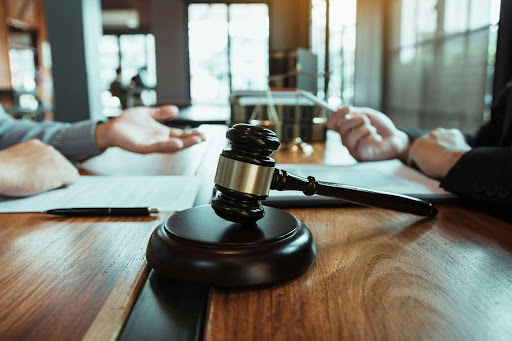

Facing a criminal charge in the U.S. can be an overwhelming and life-altering experience. Understanding how the legal system works, from the nature of charges to the rights of the accused and the importance of skilled legal representation, is essential for anyone navigating this process. The U.S. Constitution provides critical protections like the right to remain silent and the right to legal counsel, which ensure fairness and limit potential abuses of power.
Criminal cases unfold in stages, and the outcome can hinge on early legal decisions, the defense strategy, and the strength of the prosecution’s case. As Morgan Anthony Bourque explains, whether through trial or plea negotiation, each step carries immense consequences, making it vital to have knowledgeable guidance throughout.
Criminal Defense in the U.S.
Unlike civil cases, which usually involve disputes between private parties, criminal cases are brought by the government and can lead to penalties such as imprisonment or fines. Defense attorneys play a vital role in this process, working to challenge the prosecution’s evidence, examine witness credibility, and safeguard their client’s legal rights throughout the proceedings.
Take a situation where someone is accused of theft. The defense attorney may review surveillance footage, question the legality of the arrest, or argue that the alleged conduct doesn’t meet the legal definition of theft. They might also investigate whether eyewitnesses were influenced or mistaken. By doing so, the defense ensures that the burden of proof remains on the prosecution, as required by law.
Types of Criminal Charges
Criminal offenses in the U.S. are typically divided into two main groups: misdemeanors and felonies. Misdemeanors are considered less serious and might involve penalties like fines or short-term jail sentences. Felonies, on the other hand, carry harsher consequences and can result in long-term imprisonment, especially if the offense involves violence or significant financial harm. Some jurisdictions also recognize infractions, which are minor violations that usually result in fines but no jail time.
Charges can vary widely depending on the circumstances. Someone caught driving under the influence might face a misdemeanor on a first offense, but repeat violations or harming another person while impaired could elevate the charge to a felony. Similarly, white-collar crimes like fraud or embezzlement, despite lacking physical violence, are often classified as felonies because of the scale of financial damage involved.
The classification of a charge not only affects the potential punishment but also influences how the case is handled in court. Felony cases typically involve more complex legal procedures and may require appearances before a grand jury, while misdemeanor charges are often resolved more quickly.
Legal Rights During Criminal Proceedings
Anyone accused of a crime has specific legal protections guaranteed by the U.S. Constitution. These rights are crucial to ensuring fairness and preventing government overreach in criminal proceedings. The right to remain silent, the right to an attorney, and the right to a public trial are just a few of the protections set out in the Fifth and Sixth Amendments. These rights apply from the moment of arrest and continue throughout the legal process.
In a situation where a person is arrested during a traffic stop, law enforcement must inform them of their right to remain silent and to have legal counsel present. If these rights are violated, any evidence obtained might be excluded from the case, which can greatly impact the trial’s outcome. Courts take these violations seriously, and suppression of evidence can lead to dismissal of charges.
Knowing these rights from the outset can significantly affect how a case unfolds. Defendants who are aware of their legal protections are better prepared to make informed decisions, whether during police questioning or court appearances. Legal counsel often reinforces these rights, ensuring no critical errors are made in early interactions with authorities.
Stages in a Criminal Case
A criminal case typically begins with an arrest, followed by booking and a formal arraignment during which charges are read, and a plea is entered. From there, the case can take several paths depending on the facts, the accused’s plea, and the available evidence.
In some cases, a defense attorney may file pre-trial motions to suppress evidence or challenge the legality of the arrest. These procedural actions can shape the direction of the trial or even result in dismissal before reaching the courtroom. If the case proceeds, it culminates in a trial where both sides present arguments, examine witnesses, and await a verdict.
After a conviction, sentencing determines the penalty, which can range from probation to prison time. Appeals may follow if legal errors occurred during the trial, offering a chance to challenge the outcome or reduce the sentence. In certain situations, post-conviction relief or expungement might later be available, depending on the jurisdiction and type of offense.
Defense Strategies and Legal Representation
Defense attorneys devise strategies based on the unique facts of each case. Their work often starts with a thorough investigation, which might include interviewing witnesses, reviewing police reports, or gathering expert opinions. This groundwork allows them to identify weaknesses in the prosecution’s case or uncover new evidence in the defendant’s favor. They may also assess whether law enforcement followed correct procedures during the arrest and evidence collection.
Plea bargaining is another key part of many defense approaches, especially if conviction at trial seems likely. Negotiating a reduced sentence or lesser charge can be in a client’s best interest, particularly in overcrowded court systems where resolution through trial is time-consuming and uncertain. Plea deals can also spare victims from testifying and reduce emotional strain on all parties involved.
Outcomes and Sentencing
A criminal case can conclude in several ways—charges might be dismissed, a plea deal could be reached, or a jury might deliver a verdict. In some matters, the result hinges on a single piece of disputed evidence or a witness’s credibility during cross-examination. Delays in proceedings, such as continuances or motions for new trials, can also affect how quickly a resolution is reached.
Sentencing isn’t always straightforward. Judges consider a range of factors such as prior convictions, the seriousness of the offense, and the defendant’s cooperation. In lower-level cases, alternatives like rehabilitation programs or community service may be offered, especially if the defendant has no criminal history. In more severe cases, sentencing guidelines may limit judicial discretion, but mitigating circumstances can still play a role.