

Now Reading: How to Recognize and Avoid Invisible Ice Patches on Bridges and Overpasses
-
01
How to Recognize and Avoid Invisible Ice Patches on Bridges and Overpasses
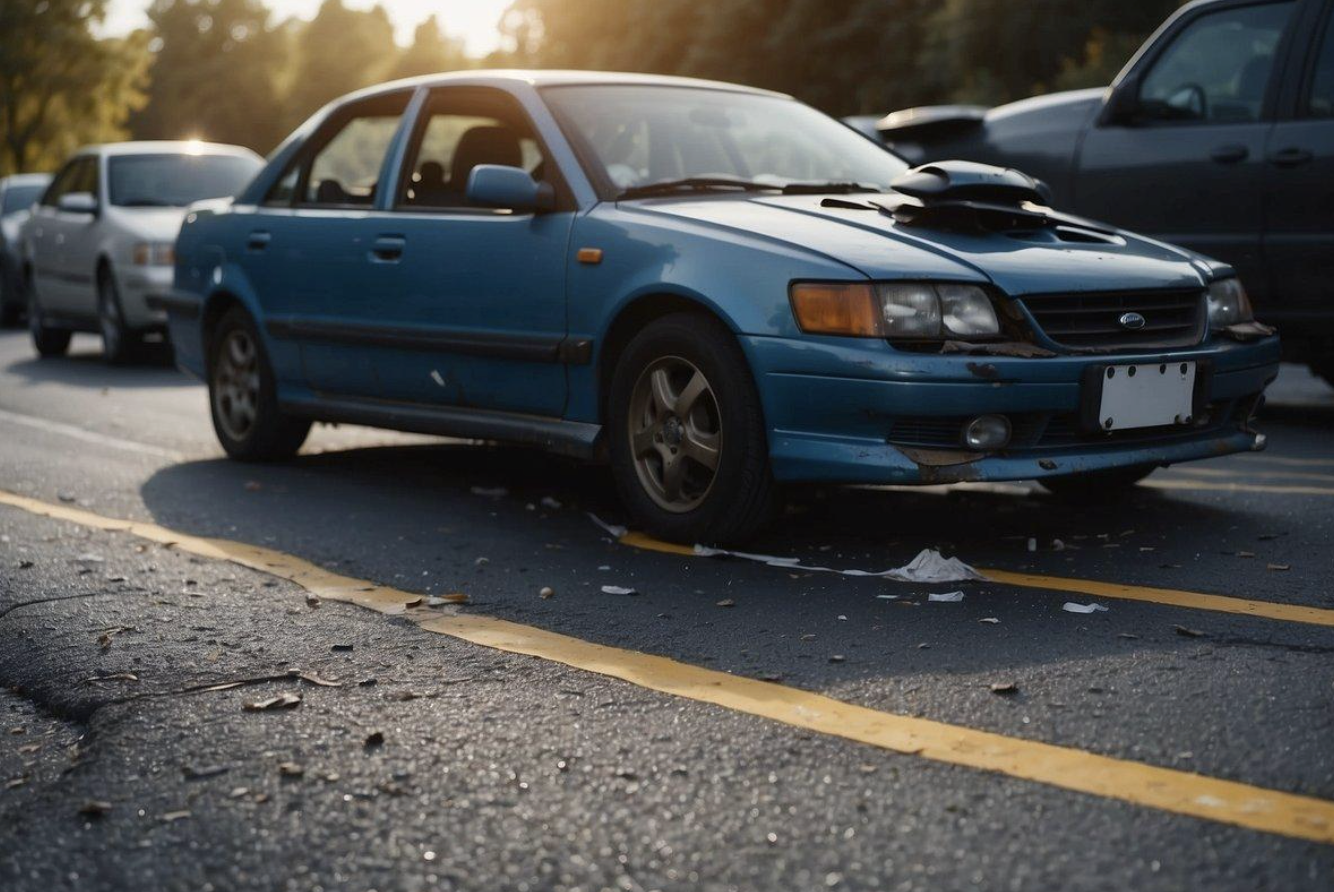

Winter driving is a stressful experience even for the most seasoned veterans. While most people look out for heavy snowbanks or slushy lanes, the real danger often hides in plain sight. Black ice, those thin and transparent layers of frozen water, can turn a routine commute into a nightmare in seconds. If you find yourself in a scary situation on the road, seeking legal advice for those injured in traffic collisions can help you navigate the aftermath of an accident caused by these hidden hazards. Understanding why bridges are so prone to these icy traps is the first step toward staying safe this season.
Why Bridges Freeze First
You have probably seen the signs on the highway that warn “Bridge freezes before road.” This isn’t just a suggestion; it is a law of physics. When a road is built on solid ground, the soil beneath acts as an insulator, trapping heat from the ground, keeping the asphalt warmer for longer. Bridges and overpasses, however, are surrounded by open air on all sides.
Cold air circulates both above and below the elevated surface. This dual exposure causes the bridge deck to lose heat rapidly. Even if the ground temperature is still a few degrees above freezing, the surface of a bridge can drop to negative 32 degrees Fahrenheit very quickly. This creates a perfect environment for moisture to flash freeze into a glass-like sheet that is nearly impossible to see through a windshield.
Spotting the Invisible
The term “black ice” is a bit of a misnomer, since the ice isn’t actually black. It is perfectly clear, which allows the dark color of the pavement to show through. This makes it blend in seamlessly with the rest of the road. However, there are a few visual cues that can tip you off if you know where to look.
If the road ahead looks dull and matte but a specific patch looks glossy or wet, treat it as ice. On a cloudy day or at night, look for reflections from the headlights of cars in front of you. If you see a mirror-like sheen on the bridge deck, lift your foot off the accelerator immediately. Another subtle sign is the spray from other vehicles. If you see a lot of water splashing up from the tires of the car ahead of it, the road is likely just wet. If the road looks wet but there is no spray coming off the tires, you are likely looking at ice.
Listen to Your Vehicle
Sometimes your car will tell you that you are on ice before your eyes do. One of the most common signs is a sudden silence. When you are driving on normal pavement, you hear a consistent hum from the tires against the road. If that sound suddenly cuts out and it feels like you are floating, you have likely lost traction on a patch of ice.
Pay attention to your steering wheel as well. If the steering suddenly feels light or “loose,” it means your front tires are no longer gripping the surface. Modern cars often have traction control lights that will flicker on the dashboard when the system detects a slip. Do not ignore these electronic warnings. They are often the first line of defense in recognizing that the bridge surface has become treacherous.
How to React When You Slide
The most important rule of driving on ice is to avoid sudden movements. If you feel your car start to fishtail or slide on an overpass, your natural instinct will be to slam on the brakes or jerk the steering wheel in the opposite direction. Doing either of these things will almost certainly result in a total loss of control.
Instead, stay calm and take your foot off the gas. Do not hit the brakes. If you have a manual transmission, declutch. Aim your eyes where you want the car to go and gently steer in that direction. By keeping your wheels straight and avoiding hard braking, you give the tires a chance to regain friction once you pass the icy patch and hit a drier section of the road.
Preventative Driving Habits
The best way to avoid black ice is to adjust your driving before you even reach the bridge. During the winter months, you should increase your following distance to at least three times the normal length. This gives you a buffer if the car in front of you spins out.
Avoid using cruise control when temperatures are near freezing. If your cruise control is engaged and you hit a patch of ice, the system may try to accelerate to maintain speed, which can cause your drive wheels to spin and send you into a skid. Maintaining manual control of your speed lets you feel the road and react to subtle changes in traction immediately.
Final Word
Staying vigilant during the winter months requires a mix of common sense and technical knowledge. By understanding the science of why bridges freeze and keeping an eye out for those telltale glossy patches, you can significantly reduce your risk of a winter mishap. If the worst happens and you are involved in a wreck, obtaining legal advice for those injured in traffic collisions is a vital step in protecting your rights and recovering from the incident. Drive slowly, stay alert, and remember that it is always better to arrive late than not at all.