

Now Reading: How to Navigate Immigration Law for Internationally Adopted Children
-
01
How to Navigate Immigration Law for Internationally Adopted Children
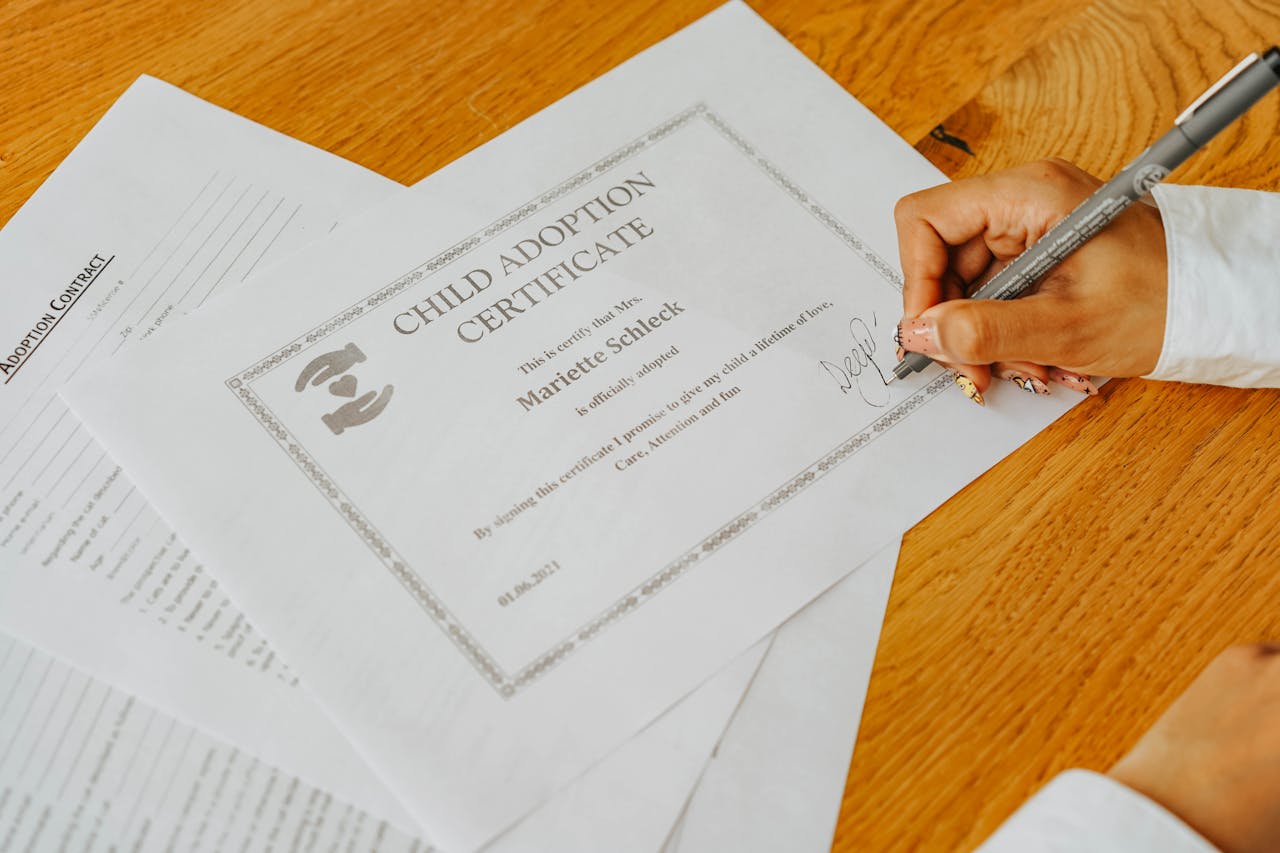

Adopting a child from another country is a deeply fulfilling experience. The process gives the child a gate pass to permanent belonging in a new country and family, but it introduces a layer of immigration challenges like complex policies and procedural requirements. Below, we explore how to overcome these challenges and protect the child’s immigration status.
1. Understand the International Adoption System
International adoption involves two legal systems. One is the adoption law in the child’s country of origin. The other in immigration law in the country where the child will live. Both must work together before the child can enter a new country as a permanent resident.
Many intercountry adoptions fall under the Hague Adoption Convention. This is an additional agreement that confirms that the child is adopted into safe space and the entire process is fair. If the child’s country participates in the convention, families must work through approved adoption agencies and government authorities that ensure the child’s rights are protected.
If the child’s nation is not part of the agreement, the orphan process will apply. This requires immigration authorities to conduct home studies and suitability checks to make sure the child qualifies for immigration benefits. Parents will also file a Form I-600 and a Form I-600-A to begin the process.
2. Finalize the Adoption Process
Adoption is not considered complete until the legal process is finalized in court. In some cases, this happens in the child’s home country. While the process can be completed after the child arrives in the new country. Once the child and country are selected, prospective parents must submit an adoption application. A licensed social worker is then assigned to evaluate the suitability of the home and the parents’ ability to provide a stable environment for the child.
Timing and accuracy matter at this stage. Parents must provide accurate information that confirms their intentions to adopt and meet both foreign and U.S immigration requirements. They should also finalize the process on time and correctly, or the child may not qualify for immigration benefits.
The process involves several legal systems. That is why many families hire an experienced family immigration lawyer in New York. The legal representative will look at documents to confirm if the process meets the requirements. They will also submit the application on time and represent families in court procedures.
3. Obtain an Immigrant Visa for the Child
The next step after the adoption is accepted is getting an immigrant visa for the child. This allows them to enter and live in a new country permanently. Parents start with filing an immigration petition with U.S Citizenship and Immigration Services (USCIS). The body reviews the child’s eligibility and the parents’ legal status.
If everything is approved, the child reserves an immigration visa. This can be the IR-3 visa if adoptive parents physically see the child before the adoption finalization. Meanwhile, the IR-4 visa is issued when one or both parents cannot see the child during the process, and adoption must be finalized in the United States.
Endnote
International adoption can change a child’s life, but the legal process requires families to follow strict adoption and immigration principles. Maintaining clear documentation and following the right steps can make a major difference. Consulting an expert can also reduce delays and ensure the child’s rights are safe.