

Now Reading: How to Know If You Actually Need a Car Accident Lawyer
-
01
How to Know If You Actually Need a Car Accident Lawyer
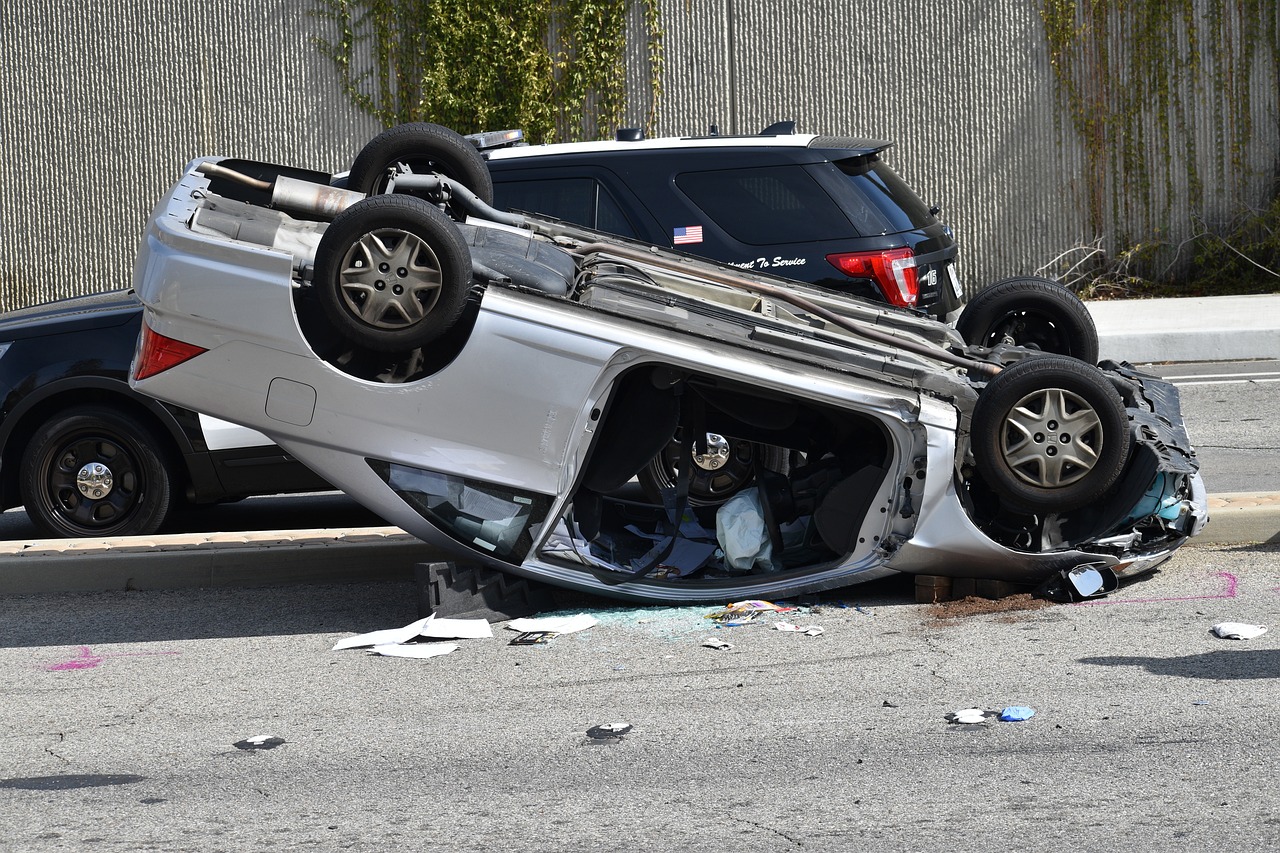

Accidents can vary significantly in severity, ranging from minor fender benders to catastrophic collisions that result in serious injuries or fatalities. Understanding the severity of an accident is crucial for those involved, as it influences the subsequent steps that need to be taken. Factors such as the speed of the vehicles involved, the point of impact, and the conditions at the time of the accident all play a role in determining how severe an incident is. For instance, a high-speed crash on a busy highway is likely to result in more significant damage and injuries than a slow-speed collision in a parking lot.
Moreover, the emotional and psychological impact of an accident should not be overlooked. Survivors may experience trauma, anxiety, or post-traumatic stress disorder (PTSD) following a serious incident. Recognizing the full scope of an accident’s severity involves not only assessing physical injuries but also understanding the potential long-term effects on mental health. This comprehensive view is essential for victims as they begin to navigate recovery and seek appropriate support.
Assessing the Extent of Your Injuries
Once the severity of an accident is understood, the next step is to assess the extent of any injuries sustained. This process often begins with medical evaluation, where healthcare professionals conduct examinations and diagnostic tests to identify injuries. Common injuries from accidents include fractures, concussions, soft tissue damage, and internal injuries. Each type of injury can have different implications for treatment and recovery time, making it essential for victims to receive thorough medical attention.
In addition to immediate physical injuries, it is important to consider any potential long-term effects. Some injuries may not manifest symptoms right away but can lead to chronic pain or complications later on. Victims should keep detailed records of their medical treatments, including doctor visits, therapies, and any prescribed medications. This documentation will be vital for understanding the full impact of the injuries on daily life and for any future legal or insurance claims.
Determining Liability in the Accident
Determining liability is a critical aspect of any accident case, as it establishes who is responsible for the incident and its consequences. Liability can be straightforward in cases where one party clearly acted negligently, such as running a red light or driving under the influence. However, many accidents involve multiple factors and parties, complicating the determination of fault. In such cases, it may be necessary to gather evidence, including witness statements, police reports, and traffic camera footage.
In some instances, liability may be shared among several parties, leading to questions about comparative negligence. For example, if both drivers contributed to an accident by failing to adhere to traffic laws, each may bear a portion of the responsibility. Understanding how liability is assigned can significantly affect the outcome of any claims for compensation and should be approached with careful consideration of all available evidence.
Dealing with Insurance Companies
Navigating interactions with insurance companies can be one of the more challenging aspects of recovering from an accident. After an incident occurs, victims typically file claims with their insurance providers or those of other parties involved. Insurance companies often aim to minimize payouts, which can lead to disputes over coverage and compensation amounts. It is essential for victims to understand their policy details and what is covered under their specific circumstances.
Effective communication with insurance representatives is crucial during this process. Victims should be prepared to provide detailed accounts of the accident and any related injuries while also being cautious about making statements that could be used against them later. Keeping thorough records of all communications with insurance companies can help ensure that claims are processed fairly and efficiently. In some cases, it may be beneficial to consult with a legal professional who specializes in personal injury claims to navigate these discussions more effectively.
Navigating Legal Processes and Documentation
The legal processes following an accident can be complex and require careful attention to detail. Victims may need to file lawsuits if negotiations with insurance companies do not yield satisfactory results. This process involves various legal documents, including complaints, summonses, and discovery requests. Each document must be completed accurately and submitted within specific timeframes to avoid jeopardizing a case.
Additionally, understanding local laws regarding personal injury claims is essential. Statutes of limitations dictate how long individuals have to file a claim after an accident occurs. Failing to adhere to these timelines can result in losing the right to seek compensation altogether. Therefore, victims should familiarize themselves with relevant laws or seek legal counsel to ensure compliance with all necessary legal requirements.
Evaluating Potential Compensation
Estimating fair compensation after a crash means looking at every way the accident affected your life, not just the obvious bills. Damages often include medical expenses, lost income from missed work, pain and suffering, and property damage, and each category needs solid documentation to support the amount you are claiming. For example, medical costs should reflect not only emergency treatment but also follow up visits, therapy, prescriptions, and any future care your doctor expects you will need. If you want help reviewing what applies to your situation and organizing the proof, a Car Accident Lawyer in Miami can guide you through the process.
In addition to tangible expenses, victims may also seek compensation for non-economic damages such as emotional distress or loss of enjoyment of life. These types of damages can be more challenging to quantify but are nonetheless significant in reflecting the overall impact of an accident on an individual’s life. Engaging with professionals who specialize in personal injury cases can provide valuable insights into what constitutes fair compensation based on similar cases and prevailing legal standards.
Considering the Complexity of the Case
The complexity of an accident case can vary widely based on numerous factors, including the number of parties involved, the nature of the injuries sustained, and the circumstances surrounding the incident. Cases involving multiple vehicles or parties often require extensive investigation and negotiation efforts to determine liability accurately. Additionally, if there are disputes regarding insurance coverage or if one party contests fault, this can further complicate proceedings.
Furthermore, cases that involve severe injuries or long-term consequences may necessitate expert testimony or additional evidence to support claims for compensation. This complexity underscores the importance of having a clear strategy for managing all aspects of a case from start to finish. Victims should consider their options carefully and seek guidance from legal professionals who can help navigate these intricacies effectively.
Weighing the Benefits of Legal Representation
When dealing with the aftermath of an accident, many individuals face the decision of whether to seek legal representation. Engaging a lawyer who specializes in personal injury law can provide numerous advantages throughout the recovery process. Legal professionals bring expertise in navigating complex legal systems and understanding local laws that may affect a case’s outcome. They can also assist in gathering evidence, negotiating with insurance companies, and representing clients in court if necessary.
Moreover, having legal representation can alleviate some of the stress associated with managing an accident claim. Victims often find themselves overwhelmed by medical appointments, recovery efforts, and financial concerns following an incident. A lawyer can handle many aspects of the case on behalf of their client, allowing individuals to focus on healing rather than navigating legal complexities. Ultimately, weighing these benefits against potential costs is essential for anyone considering legal representation after an accident.
In conclusion, understanding the various aspects surrounding an accident—from assessing severity and injuries to navigating legal processes—can significantly impact recovery outcomes for victims. Each step requires careful consideration and often professional guidance to ensure that individuals receive fair compensation for their experiences. Whether dealing with insurance companies or evaluating potential legal representation, being informed about rights and options is crucial for anyone affected by an accident.
About the author: Irma C. Dengler

With a BA in communications and paralegal experience, Irma C. Dengler decided to make the best of her writing skills. She decided to turn complicated legal matters into something more palatable for the masses. Therefore, Irma became a law communicator who writes about everyday problems so everyone can understand them and take the appropriate action. She specializes in personal injury cases, as they are more common than anyone thinks, but her areas of expertise also include civil law, criminal law, insurance-related issues, and more.