
Now Reading: How Accident Victims Can Pursue Compensation for Damages
-
01
How Accident Victims Can Pursue Compensation for Damages


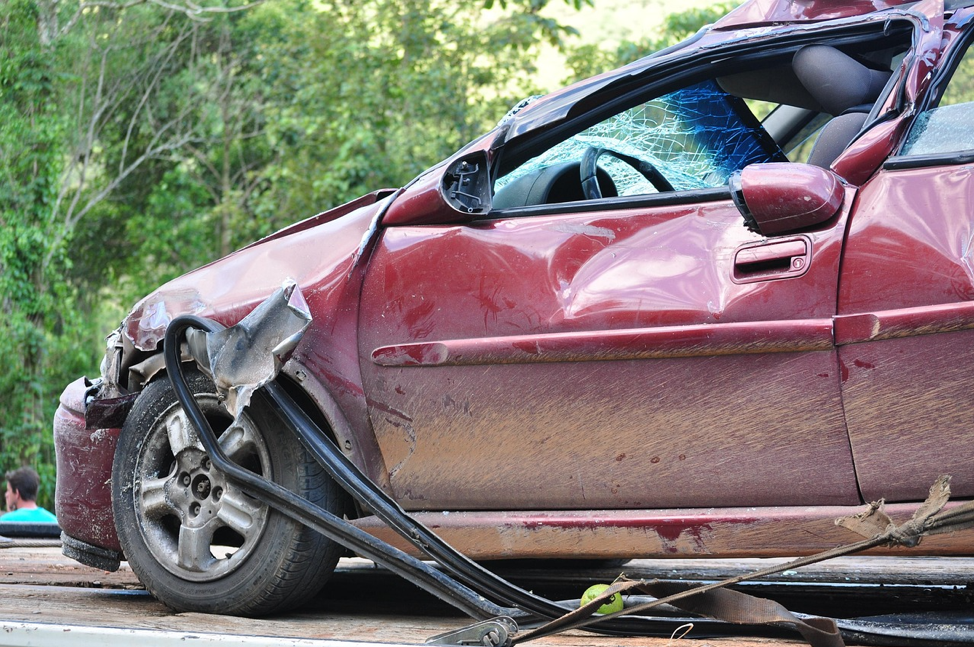
Accidents can instantly disrupt lives, leaving victims with overwhelming medical bills, lost wages, and long-term physical or emotional suffering. Understanding how to pursue compensation is crucial for rebuilding stability after a collision. This guide explains the legal pathways, documentation requirements, insurance interactions, and the role of professional representation so victims can make informed decisions about their recovery and financial rights.
Understanding Your Right to Compensation
The Legal Basis for Claims
Accident victims typically seek compensation under personal injury laws, which allow monetary recovery when someone’s negligence directly causes harm. Whether the incident occurred in Los Angeles or elsewhere, the core principle remains the same: if another party’s carelessness caused the injury, the victim may claim damages.
Compensation may include:
- Medical expenses (current and future)
- Lost wages and diminished earning capacity
- Property damage
- Pain and suffering
- Emotional distress
- Loss of consortium
Key Elements You Must Prove
Most personal injury claims require demonstrating four elements:
- Duty of care — the at-fault party had a legal obligation to act safely.
- Breach of duty — they acted negligently or recklessly.
- Causation — their actions directly caused the injury.
- Damages — you experienced measurable losses.
Steps Accident Victims Should Take Immediately
Seek Medical Attention
Even if injuries seem minor, a medical evaluation is essential. Documentation from healthcare providers becomes a critical piece of evidence later.
Report the Accident
Filing official reports—such as police reports or workplace injury notices—creates a verified record of the incident. Traffic-related collisions may involve data and safety standards from agencies like the National Highway Traffic Safety Administration, which provide valuable information that can support claims involving vehicle defects or safety violations.
Collect and Preserve Evidence
Victims should gather:
- Photos of the scene and injuries
- Witness statements
- Medical records
- Repair estimates
- Communication logs with insurers
Evidence preservation significantly strengthens the claim process.
Navigating the Insurance Process
Understanding Insurance Company Strategies
Insurance adjusters often attempt to limit payouts by:
- Requesting recorded statements
- Minimizing injury severity
- Pressuring victims to accept quick, low settlements
Because of this, many victims choose representation to avoid missteps and protect their rights.
Filing a Claim
Typical steps include:
- Notify the insurer promptly.
- Submit documentation supporting your injuries and losses.
- Negotiate settlement terms based on evidence and projected long-term impact.
If negotiations fail, the next step may be litigation.
Pursuing a Personal Injury Lawsuit
When a Lawsuit Is Necessary
A lawsuit becomes more likely when:
- The insurer denies liability
- Damages exceed policy limits
- Settlement offers are inadequate
- Multiple parties share fault
- Serious or catastrophic injuries are involved
The Litigation Process
The legal process may involve:
- Filing a complaint
- Discovery (exchanging evidence)
- Depositions
- Expert testimony
- Negotiations, mediation, or trial
Courts evaluate liability, the extent of injuries, and the appropriate value of compensation.
Working With an Experienced Attorney
Why Legal Representation Matters
Navigating post-accident procedures can be overwhelming. Experienced attorneys assist with:
- Investigating the incident
- Negotiating with insurers
- Calculating full damages
- Handling complex medical or expert evidence
- Meeting legal deadlines
Skilled representation often leads to significantly higher compensation outcomes.
For individuals seeking guidance, firms provide legal support designed to protect victims’ rights. You can also learn more about legal professionals through resources like this attorney directory listing.
Types of Damages Accident Victims Can Pursue
Economic Damages
These are measurable financial losses, including:
- Emergency care and hospitalization
- Surgical procedures
- Rehabilitation services
- Lost wages
- Property replacement or repair
Non-Economic Damages
These compensate for intangible losses:
- Pain and suffering
- Anxiety, PTSD, or emotional distress
- Loss of enjoyment of life
Punitive Damages
Punitive damages may apply when the at-fault party acted with extreme recklessness, such as drunk or high-speed driving.
Special Considerations for Auto Accident Victims
Comparative Fault Rules
In many states, including California, compensation may be reduced if the victim shares partial responsibility for the accident. For example, a victim found 20% at fault would receive 80% of the awarded damages.
Statute of Limitations
Legal deadlines vary by jurisdiction. In California, victims typically have two years to file a personal injury claim. Missing this deadline may prevent recovery entirely.
Working With Local Counsel
Accident laws, court procedures, and insurance rules often vary by region. Local attorneys understand these nuances and can provide geographically tailored guidance. If you need to get help after a Los Angeles auto accident, connecting with an experienced area professional can ensure your rights and compensation opportunities are fully protected.
How Victims Can Strengthen Their Claims
Maintain Thorough Records
Keep copies of:
- Bills, receipts, and medical reports
- Work absence records
- Pain journals documenting your recovery
Follow Medical Instructions
Failing to follow treatment plans may give insurers grounds to argue that injuries worsened due to your own negligence.
Avoid Sharing Case Details Publicly
Social media posts can be used as evidence. A seemingly harmless photo may be misinterpreted to undermine your injury claims.
Conclusion
Accident victims have clear pathways to pursue compensation, but the process requires careful documentation, timely action, and strategic legal guidance. Understanding your rights—and partnering with knowledgeable legal counsel—can help you secure the financial recovery needed to support your health, life stability, and long-term well-being after an unexpected injury.
About the author: Kerry L. Tucker

Early in his journalism college years, Kerry had a revelation: there were not nearly enough law communicators. People’s difficulties in understanding the law, procedures, and how the justice system worked stemmed from the fact that no one took the patience to explain complicated matters to them. Therefore, he took upon himself the task of helping people navigate legal matters easier. He works with attorneys and other legal journalists and spends time researching so that everyone – from a mother whose child got a bike injury to a company needing insurance counsel – to find the actionable answers they are looking for.