

Now Reading: The Financial Patterns That Lead Toward Chapter 13 Bankruptcy Decisions in Ohio
-
01
The Financial Patterns That Lead Toward Chapter 13 Bankruptcy Decisions in Ohio
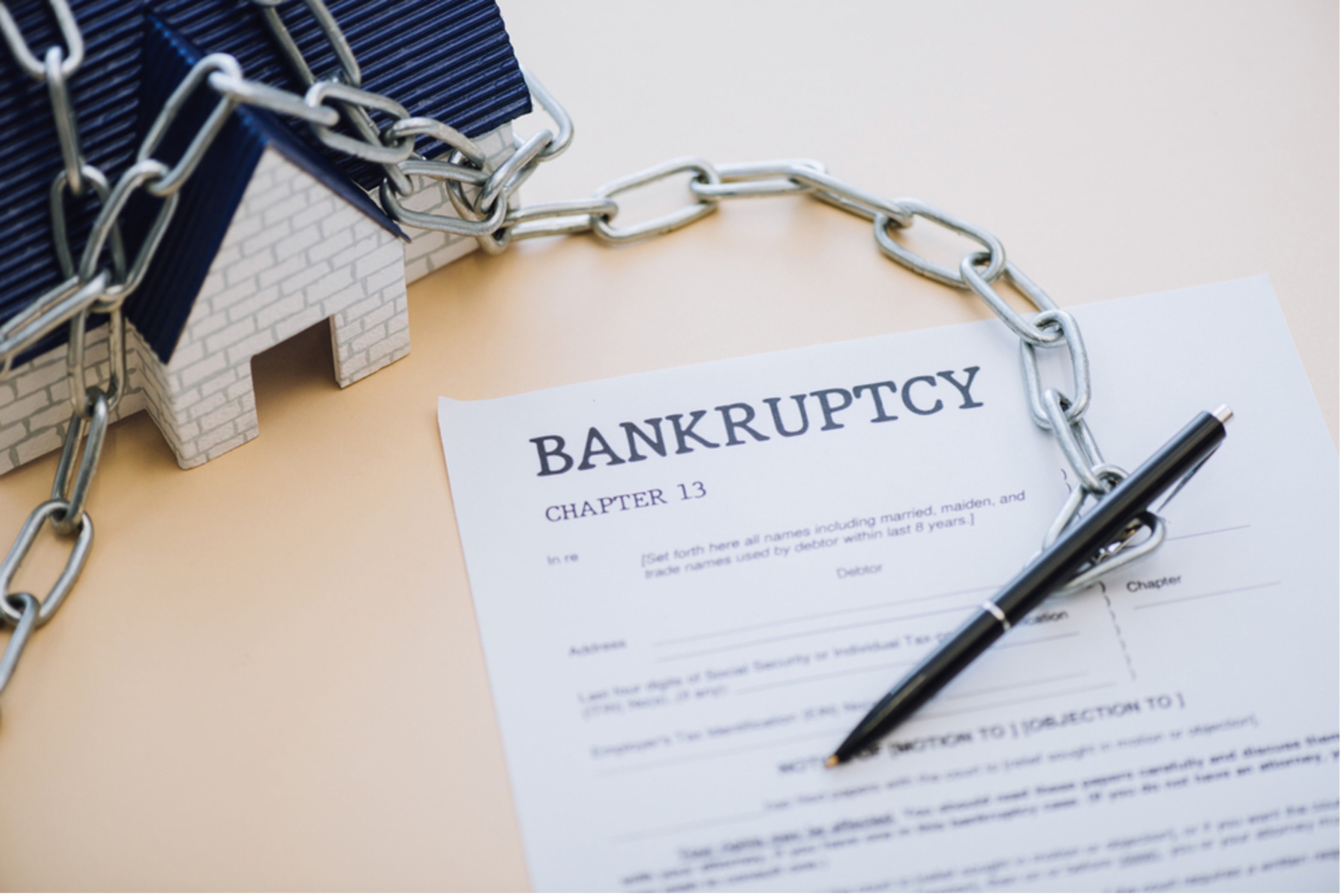
The Financial Patterns That Lead Toward Chapter 13 Bankruptcy Decisions in Ohio

Financial challenges rarely arrive all at once. In most cases, they build gradually through patterns that develop over time. What begins as a temporary imbalance, an unexpected expense, a missed payment, or a growing credit balance can slowly evolve into a situation that feels harder to manage with each passing month.
As these patterns take shape, many individuals begin looking for ways to bring structure back into their finances. During that process, it is common to come across discussions related to a Chapter 13 bankruptcy attorney in Ohio, especially when trying to understand how structured repayment approaches work and when they may become relevant.
When Income Remains Stable, but Pressure Keeps Increasing
One of the most overlooked patterns is when income remains steady, yet financial pressure continues to grow.
On the surface, everything may appear stable. Bills are being paid, and there is still a regular source of income. However, balances are not decreasing in a meaningful way. Interest, fees, and accumulated obligations begin to outweigh progress.
This creates a situation where effort does not match results. Over time, that gap becomes more noticeable, leading to a sense that the issue is not income alone, but the structure of the debt itself.
When Catching Up Becomes Harder Than Staying Current
Another shift happens when staying current on new obligations feels manageable, but catching up on older ones becomes increasingly difficult.
Missed payments, late fees, or deferred balances do not simply disappear. Instead, they remain in the background, slowly growing. Even when current bills are handled, past obligations continue to create pressure.
This pattern often leads to a sense of imbalance. The focus is no longer just on maintaining stability, but on trying to close a gap that keeps widening over time.
When People Start Thinking About What Can Be Managed vs Eliminated
As financial strain continues, the way people think about debt begins to change.
Instead of asking how to pay everything off immediately, the question shifts toward what can realistically be managed over time. Some debts may feel impossible to reduce under current conditions, while others seem more manageable with structure and consistency.
This distinction plays a key role in how people evaluate their options. In many cases, the idea is no longer about eliminating all debt at once under Chapter 13, but about reorganizing it into something sustainable. That is often where structured systems like Chapter 13 begin to enter the conversation.
When Large Financial Commitments Create Long-Term Risk
Certain obligations carry more weight than others. Mortgage payments, vehicle loans, and other secured debts are tied not just to finances, but to stability and daily life.
Falling behind on these commitments can introduce a different level of concern. The focus shifts from managing payments to maintaining essential assets and avoiding long-term disruption.
At this point, financial decisions become more complex. It is no longer just about reducing balances, but about preserving stability while addressing existing obligations in a realistic way.
When Multiple Debts Start Competing for Attention
Another clear pattern is when multiple financial obligations begin competing at the same time.
Credit cards, loans, and other expenses may all require attention, but resources are limited. Deciding which payment to prioritize becomes a recurring challenge, often leading to inconsistent progress.
This creates fragmentation. Progress in one area may result in setbacks in another. Over time, the financial picture becomes harder to manage as a whole.
A structured approach can help bring these separate obligations into a single framework, allowing for more consistency and clearer direction.
When Financial Decisions Become Driven by Urgency
As pressure builds, decision-making often shifts from planning to urgency.
Choices are based on immediate deadlines rather than long-term outcomes. Payments are made based on what feels most pressing rather than what is most effective.
While this approach can provide short-term relief, it often leads to long-term instability. The underlying issue remains unresolved, and the cycle continues.
Recognizing this shift is important. It signals that the current system is no longer sustainable and may require a more structured solution.
When the Situation Feels Manageable but Not Sustainable
One of the most subtle yet important patterns is when everything still feels manageable—but only with constant effort.
Bills are being paid, but it requires ongoing adjustment. There is little room for unexpected expenses. Any disruption, no matter how small, can create immediate stress.
This type of situation can continue for a long time, but it is often fragile. Over time, the lack of sustainability becomes more apparent.
It is often during this stage that individuals begin exploring how structured repayment systems work, including reviewing information related to a Chapter 13 bankruptcy attorney in Ohio to better understand how long-term debt reorganization is typically handled.
Recognizing the Pattern Behind the Decision
Decisions around Chapter 13 bankruptcy are rarely based on a single moment. They are usually shaped by repeated patterns that signal the current approach is no longer effective.
Stable income combined with rising debt, difficulty catching up, increasing pressure from major obligations, and reactive decision-making all point toward the same conclusion: a need for structure.
Recognizing these patterns allows people to step back and evaluate their situation more clearly. It creates space to consider solutions that focus not just on immediate relief, but on long-term stability.
Conclusion
Financial pressure often develops quietly, shaped by patterns that are easy to overlook in the moment. Over time, those patterns become more visible, especially when progress slows, and stability becomes harder to maintain.
Understanding these shifts can make a meaningful difference. It moves the focus away from reacting to individual problems and toward recognizing the broader financial picture.
For many, the turning point is not a single event, but a realization. A realization that the current approach is no longer working—and that a more structured path forward may offer a better way to regain balance and move ahead with greater clarity.