
Now Reading: When Science Meets Scandal: DNA Kit Irregularities Shake Forensic Integrity
-
01
When Science Meets Scandal: DNA Kit Irregularities Shake Forensic Integrity
When Science Meets Scandal: DNA Kit Irregularities Shake Forensic Integrity

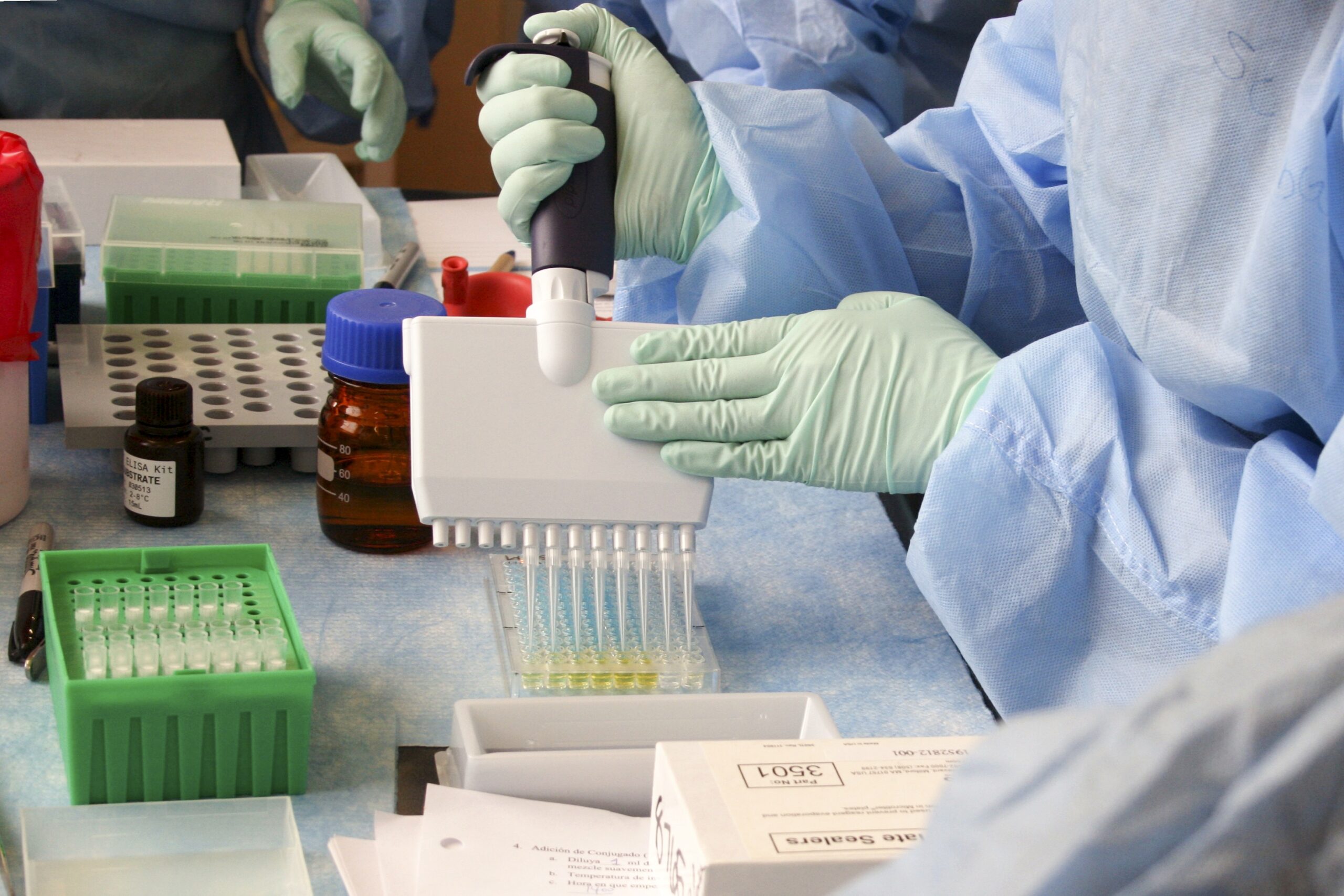
A recent controversy in Rajasthan has raised serious concerns about transparency and accountability in forensic institutions. The state government placed the Director of the State Forensic Science Laboratory (FSL) and three senior officials under Awaiting Posting Orders (APO) following allegations of major irregularities in the procurement of DNA testing kits.
According to reports, the FSL allegedly purchased DNA kits at prices up to 11 times higher than those paid by other states, resulting in an estimated annual financial loss of around ₹7 crore. The issue came to light after discrepancies in pricing and procurement procedures were flagged, prompting immediate administrative action and a formal investigation.
What makes this case particularly alarming is the critical role these kits play in criminal investigations, including cases of rape, homicide, and identification of unknown bodies. DNA analysis is widely regarded as one of the most reliable forms of forensic evidence, often forming the backbone of judicial decisions. Any compromise in the procurement process raises questions not just about financial mismanagement, but also about the credibility and reliability of forensic results.
Forensic Relevance
This incident highlights a crucial but often overlooked aspect of forensic science—quality assurance and standardization of forensic tools. The accuracy of DNA profiling depends heavily on the integrity of kits, reagents, and laboratory protocols. Overpricing may indicate deeper issues such as lack of regulation, vendor bias, or even potential corruption, all of which can indirectly impact case outcomes.
Moreover, it underscores the need for strict auditing mechanisms, transparent procurement systems, and adherence to national and international forensic standards. In a justice system where scientific evidence can determine guilt or innocence, even administrative lapses can have far-reaching consequences.
Conclusion
The Rajasthan FSL case serves as a wake-up call: forensic science is not just about advanced technology—it is equally about ethical governance, accountability, and trust. Without these, even the most sophisticated scientific tools risk losing their evidentiary value.