
Now Reading: Understanding Pedestrian Right-of-Way Laws and How They Protect You
-
01
Understanding Pedestrian Right-of-Way Laws and How They Protect You
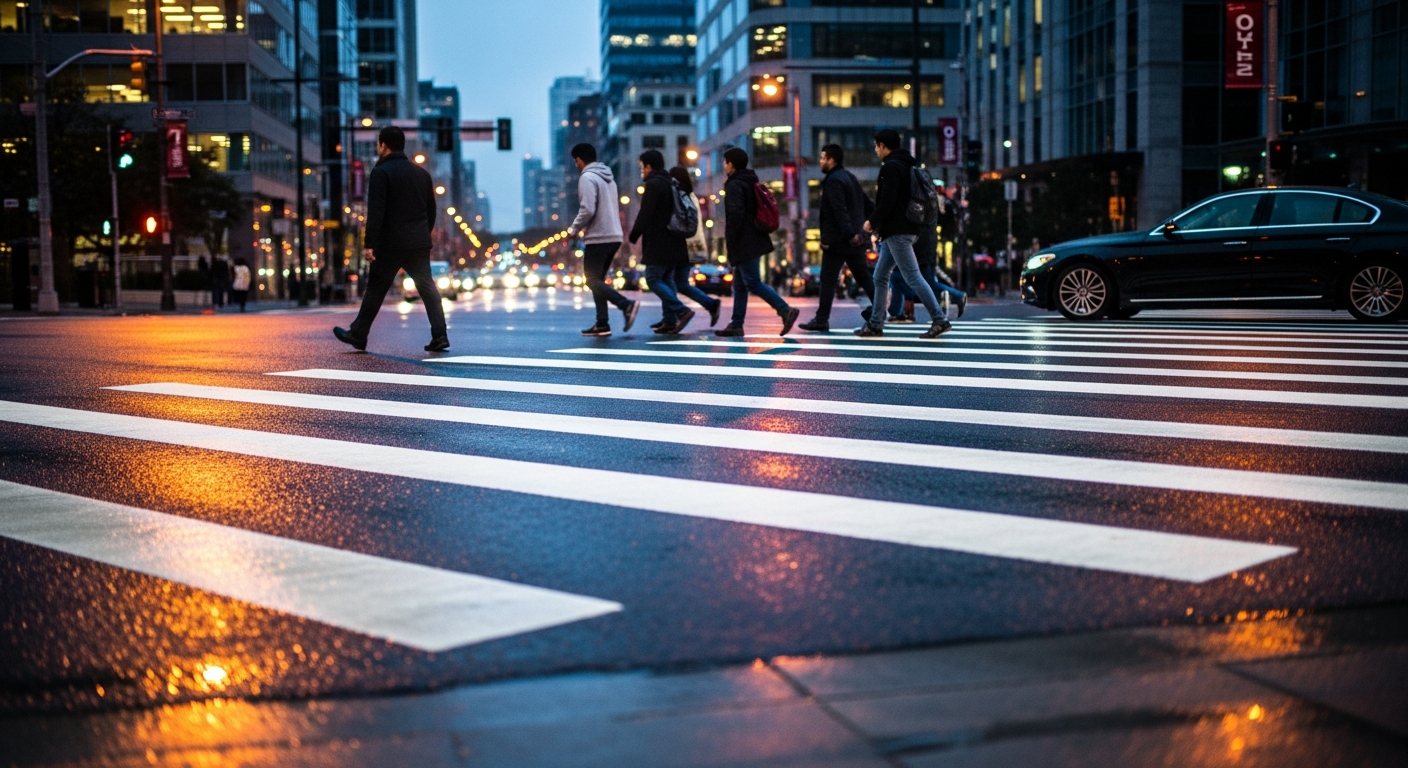

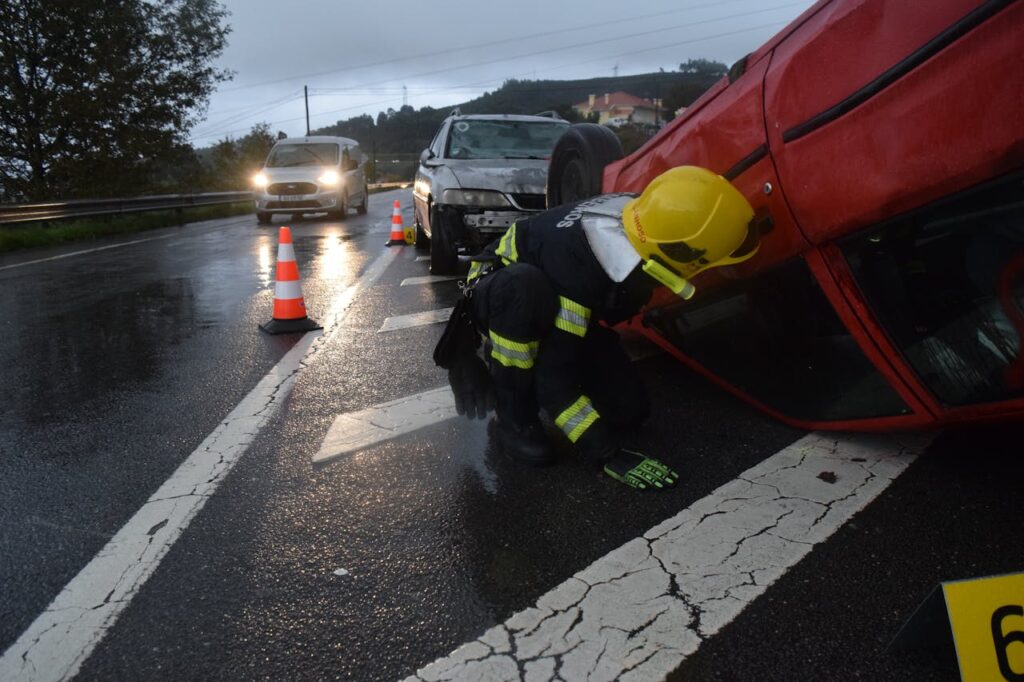
In 2023, traffic crashes killed 7,314 pedestrians and injured roughly 68,000 more. That’s one pedestrian injury every eight minutes on average. While early 2026 data indicate a promising 11% decrease in pedestrian fatalities, the physical and financial consequences of these accidents remain devastating for thousands of families.
To address this, state legislatures are actively overhauling right-of-way frameworks to strengthen protections for pedestrians. If you or a loved one has been involved in a collision, understanding these evolving laws and knowing how to access specialized legal support can be the most critical factor in your physical and financial recovery.
How Right-of-Way Laws Are Changing
Lawmakers in several states are rethinking how right-of-way statutes work, with a sharper focus on protecting pedestrians. In Ohio, a bipartisan bill from Representatives Mike Odioso and Mark Sigrist raises the penalty for failing to yield to a fourth-degree misdemeanor. It also introduces strict liability for drivers and clarifies right-of-way rules in crosswalks.
Kentucky, on the other hand, has taken a different route, passing legislation that restricts pedestrians from standing near state rights-of-way to limit exposure to fast-moving vehicles. Meanwhile, infrastructure changes are proving their worth too. Downtown Raleigh saw its crash rates plunge after removing dual-turn lanes and lowering speed limits to 25 mph.
Here’s how the old and new frameworks stack up:
| Area | Traditional Frameworks (Pre-2024) | 2026 Updates |
|---|---|---|
| Crosswalk yielding | Subjective yielding rules; minor infractions for violations | Absolute right-of-way; strict liability for failure to yield |
| Penalties for injury | Minor misdemeanors or basic traffic citations | Fourth-degree misdemeanors with potential jail time (e.g., Ohio) |
| Urban infrastructure | 35 mph limits; dual-turn lanes; standard pedestrian signals | 25 mph limits; leading pedestrian intervals; removal of rushing signals (e.g., Raleigh) |
| Contributory negligence | Heavy burden on pedestrians to prove they were in marked zones | Greater focus on driver distraction and failure to yield as primary liability factors |
Seeking Financial Recovery After a Collision
Getting hit by a car doesn’t just hurt physically. The financial fallout can be devastating. Data shows the average cost of a pedestrian-motor vehicle injury is about $135,558 per case, including medical bills, lost productivity, and diminished quality of life.
To recover compensation under comparative negligence standards, victims typically need to show that the driver violated a specific right-of-way rule. These are the statutory mandates that come up most often:
-
Yielding at marked crosswalks: Drivers must come to a complete stop when a pedestrian is on the same half of the roadway.
-
No passing at crosswalks: Vehicles can’t overtake another car that’s stopped to let a pedestrian cross.
-
Obeying flashing signals: Drivers must yield to pedestrians at flashing red signals or stop signs at intersections with marked walkways.
-
Exercising due care: In low-visibility areas or where children are present, drivers must use extra caution beyond posted speed limits.
Because the financial impact of a pedestrian injury often exceeds six figures, getting experienced legal representation isn’t just helpful; it’s practically a necessity. A qualified pedestrian accident lawyer can subpoena traffic camera footage, bring in accident reconstruction experts, and push back hard against lowball insurance offers to fight for compensation that actually reflects what you’ve lost.
What Comes Next for Pedestrian Safety
The early 2026 numbers are encouraging. But the roads are still dangerous for pedestrians. Stricter right-of-way laws matter only when they’re backed by real enforcement and smarter infrastructure design.
So what can you do right now? Stay informed about changes to your state’s traffic code. Know your rights at crosswalks and intersections. And if a driver violates your right-of-way and you’re injured, don’t wait to talk to an attorney. The sooner you act, the stronger your claim is likely to be.