

Now Reading: What Missouri’s Comparative Fault System Means for St. Louis Car Accident Victims
-
01
What Missouri’s Comparative Fault System Means for St. Louis Car Accident Victims
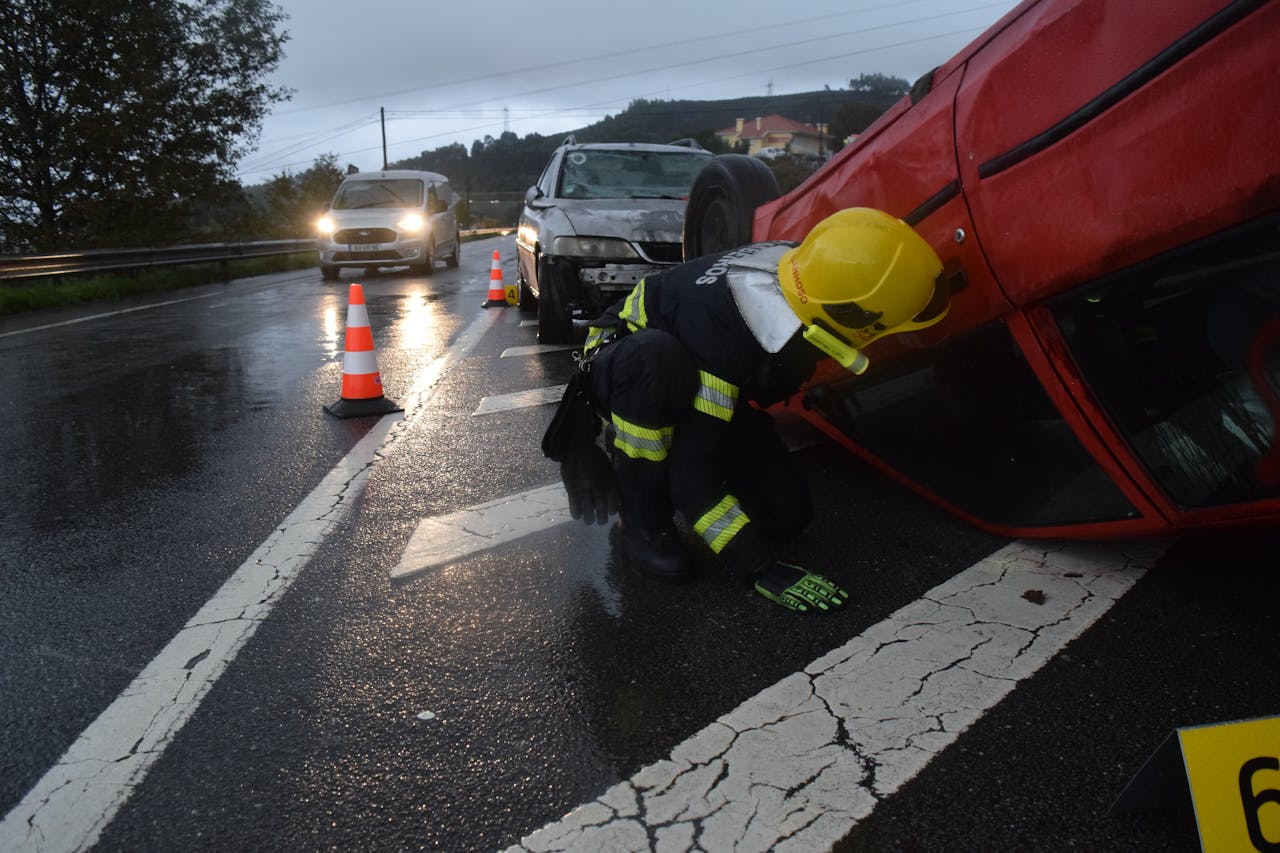
What Missouri’s Comparative Fault System Means for St. Louis Car Accident Victims

A car crash can change a normal day in seconds. The physical pain is only part of what follows. Medical appointments, missed work, repair bills, and calls from insurance companies can quickly become overwhelming.
For people in Missouri, there is another layer that can affect what happens next: the state’s comparative fault system. If more than one driver shares blame for a crash, fault can directly affect how much compensation an injured person can recover.
This matters in real life because accident cases are rarely as simple as one driver being completely right and the other being completely wrong. A left turn made too quickly, a driver checking a phone for a second, or a sudden stop in traffic can all become part of the larger story.
Understanding how Missouri handles shared fault can help injured people protect their claim, avoid common mistakes, and make smarter decisions early.
Why Comparative Fault Matters After a Missouri Car Accident
Missouri follows what is called a pure comparative fault system. This means that even if an injured person is partly responsible for the crash, they can still pursue compensation. Their recovery is reduced based on their percentage of fault.
For example, if someone has $100,000 in damages but is found 20 percent responsible, their recovery could be reduced to $80,000.
That sounds straightforward on paper. In practice, fault is one of the biggest battlegrounds in a car accident case.
Insurance companies know that shifting even a small amount of blame can reduce what they have to pay. That is why early evidence, statements, and legal strategy matter so much. Working with an experienced car accident attorney can make a major difference when fault is being disputed.
How Fault Gets Assigned in Missouri Crash Cases
Fault is not decided based on one person’s opinion. It is built from evidence.
Some of the most important factors include:
- Police reports and initial crash findings
- Photos of vehicle damage, skid marks, and road conditions
- Witness statements
- Traffic camera or dashcam footage
- Cell phone records in distracted driving cases
- Vehicle data and crash reconstruction when needed
Missouri courts and insurers look at how each driver’s actions contributed to the collision. In St. Louis and surrounding areas, these disputes often involve rear-end crashes with sudden braking claims, left-turn collisions at busy intersections, multi-vehicle highway wrecks, lane change accidents, and distracted driving cases.
Even in cases that seem obvious, insurers may still try to raise questions about speed, visibility, or reaction time.
Common Ways Insurance Companies Try to Shift Blame
After a crash, insurance adjusters move quickly. Their goal is not to protect an injured driver. Their goal is to limit payout.
One of the most common strategies is to argue that the injured person contributed to the crash or made their injuries worse.
That can sound like:
- You were driving too fast for conditions
- You should have reacted sooner
- You were following too closely
- Your injuries were not caused by the crash
- You delayed treatment, so your condition is not serious
These arguments can have a direct financial impact.
Missouri’s comparative fault rules give insurers room to push for shared blame, even when the facts are not fully developed yet. That is why what you say in the first few days after a crash matters.
A recorded statement given too early, before you understand your injuries or the full circumstances, can be used against you later.
What St. Louis Drivers Should Do Early to Protect a Claim
The first days after a crash can shape the strength of a case.
Strong claims are usually built through consistent documentation and smart decisions, not one dramatic piece of evidence.
Key steps include:
- Get medical care as soon as possible and follow treatment instructions
- Take photos of the vehicles, roadway, and visible injuries
- Save receipts, repair estimates, and medical bills
- Keep track of missed work and changes to daily life
- Avoid discussing fault casually with insurers
- Do not post about the crash on social media
People sometimes assume that being polite or cooperative means accepting part of the blame. That is not true.
You can cooperate with the process without guessing, speculating, or minimizing what happened.
This is especially important in St. Louis crash cases where traffic patterns, road construction, weather, and dense intersections can all complicate the facts.
Shared Fault Does Not Mean You Should Settle for Less
One of the biggest misconceptions about comparative fault is that partial responsibility ruins a case.
That is not how Missouri law works.
A person can still have a valid claim even if they made a mistake. The real issue is whether the other driver also acted carelessly and how that contributed to the crash.
This is where legal guidance becomes valuable. A strong case is not just about proving someone else made a mistake. It is about building a clear picture of what happened and pushing back when blame is unfairly assigned.
That can involve:
- Challenging incomplete police conclusions
- Identifying missing evidence
- Bringing in crash reconstruction experts
- Connecting medical records to the collision
- Calculating long-term financial losses
Without that work, injured people can end up accepting less than they need to recover.
Why Comparative Fault Cases Need a Clear Strategy
Missouri’s comparative fault system is meant to account for shared responsibility. In reality, it can also create opportunities for insurers to reduce what they pay.
For St. Louis drivers, that means the details matter. The timing of treatment, the evidence collected, and the way the claim is presented can all affect the outcome.
A crash can leave someone dealing with pain, uncertainty, and financial pressure all at once. Understanding how fault works is one of the first steps toward protecting your recovery and moving forward with more confidence.