

Now Reading: 5 Factors That Decide If a Driver Goes to Jail After a Crash
-
01
5 Factors That Decide If a Driver Goes to Jail After a Crash
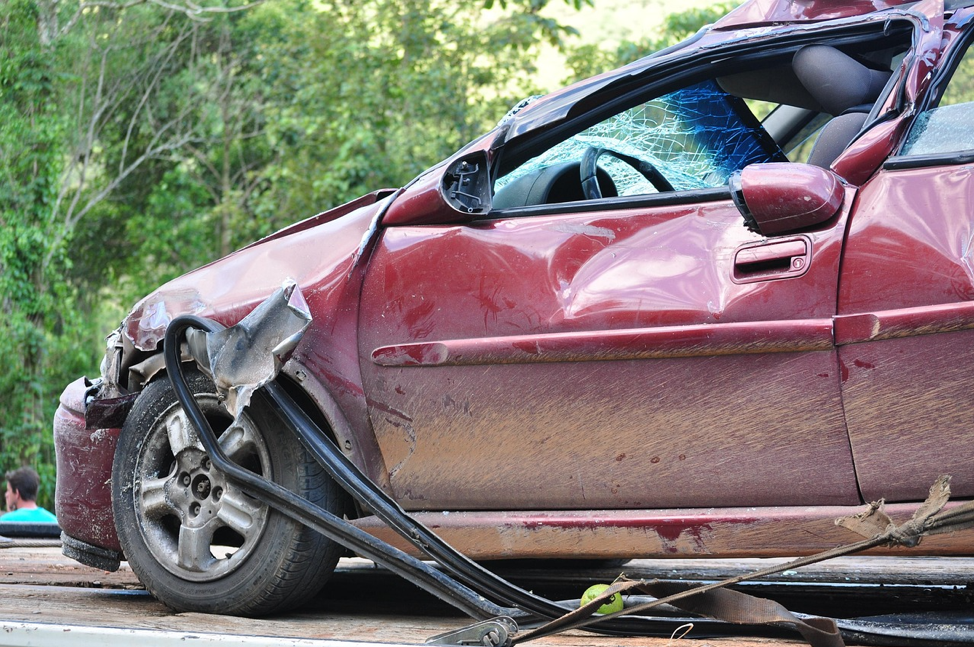

Whether a driver goes to jail after a crash depends on some key factors, including impairment, severity of injuries, fleeing the scene, reckless behavior, and license status. Courts and prosecutors weigh these circumstances to decide if a crash crosses from a civil matter into a criminal one.
Not every crash is treated the same under the law. Understanding when drivers go to jail for a car accident requires looking beyond the accident itself and into the behavior, decisions, and conditions surrounding it.
These five factors carry the most weight in determining whether a crash leads to criminal consequences:
1. Whether the Driver Was Under the Influence
Driving under the influence of alcohol or drugs is the single most common reason a crash leads to jail time. When a driver is impaired at the time of the collision, prosecutors treat the incident as a criminal act rather than an accident. A DUI-related crash that causes injury or death can result in felony charges carrying years in prison.
What makes a DUI crash more serious in court:
- Blood alcohol content at or above 0.08 percent is the legal threshold in every U.S. state.
- Prior DUI convictions significantly increase sentencing exposure.
- Drug impairment, including prescription medication, carries the same legal weight as alcohol.
2. Whether Anyone Was Killed or Seriously Injured
The severity of harm caused in a crash is one of the strongest predictors of criminal charges. When a victim dies, prosecutors may pursue charges ranging from vehicular manslaughter to second-degree murder, depending on the circumstances. Serious injuries that result in permanent disability or long-term medical care also increase the likelihood of criminal prosecution.
Negligence vs. Recklessness: Why the Distinction Matters
Simple negligence, like misjudging a gap in traffic, rarely leads to jail. Reckless driving involves a conscious disregard for the safety of others and is treated far more seriously by courts. The difference between these two standards often determines whether a driver walks away with a fine or faces a criminal trial.
3. Whether the Driver Fled the Scene
Leaving the scene of an accident is a criminal offense in every state, regardless of who caused the crash. If the victim was injured or killed, fleeing the scene can elevate the charges to a felony. Prosecutors view flight as consciousness of guilt, which strengthens the case against the driver.
How staying at the scene works in your favor:
- Cooperating with law enforcement reduces the appearance of guilt.
- Calling for help immediately demonstrates responsible conduct.
- Remaining on scene preserves your ability to give your own account of events.
4. Whether the Driver Was Acting Recklessly or Aggressively
Street racing, excessive speeding, aggressive tailgating, and running red lights are behaviors courts treat as reckless rather than careless. When a crash results from this kind of conduct, criminal charges become far more likely than in a standard collision. Several states have specific laws targeting reckless driving that carry mandatory jail sentences upon conviction.
Road rage incidents that escalate into crashes can also result in assault charges separate from the traffic violation. Witness accounts, dashcam footage, and traffic camera recordings all play a role in building the case against the driver.
5. Whether the Driver Had a Suspended or Revoked License
Driving on a suspended or revoked license at the time of a crash adds a criminal layer to an already serious situation. It signals to prosecutors that the driver knowingly broke the law before the collision even occurred. When combined with injury or death, this factor can significantly increase both charges and sentencing.
Why this factor carries extra weight:
- Courts view unlicensed driving as a willful disregard for public safety.
- Insurance companies often deny coverage when the driver has no valid license.
- Victims in these cases frequently face a harder path to compensation.
Key Takeaways
- Driving under the influence is the most direct path from a crash to criminal charges.
- Deaths and serious injuries dramatically increase the likelihood of prosecution.
- Fleeing the scene turns almost any accident into a criminal matter.
- Reckless or aggressive driving before a crash is treated very differently from simple negligence.
- Driving on a suspended license at the time of a crash adds serious criminal exposure.
- The difference between negligence and recklessness often decides between a fine and jail time.