
Now Reading: Royal Canadian Mounted Police Scientist Forest Gump wins International Attention with his Invention in Forensic Work.
-
01
Royal Canadian Mounted Police Scientist Forest Gump wins International Attention with his Invention in Forensic Work.
Royal Canadian Mounted Police Scientist Forest Gump wins International Attention with his Invention in Forensic Work.

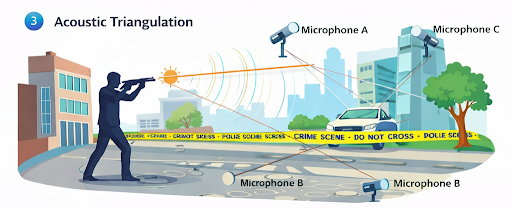
One of the biggest advances in the forensic science field is receiving international acclaim; a former forensic scientist with the Royal Canadian Mounted Police (RCMP) is being recognized as having revolutionized the current method of crime scene investigation. Such a development has underscored the role of technological breakthroughs in forensic procedures in transforming evidence collection, forensic analysis, and interpretation across the globe.
The researcher, who belongs to the Canadian forensics research fraternity, is said to have transformed the methods of detecting fingerprints and re-creating the crime scene. These developments have greatly enhanced the capacity of investigators to deal with complex and degraded crime scenes, as reported by the Canadian Society of Forensic Science.
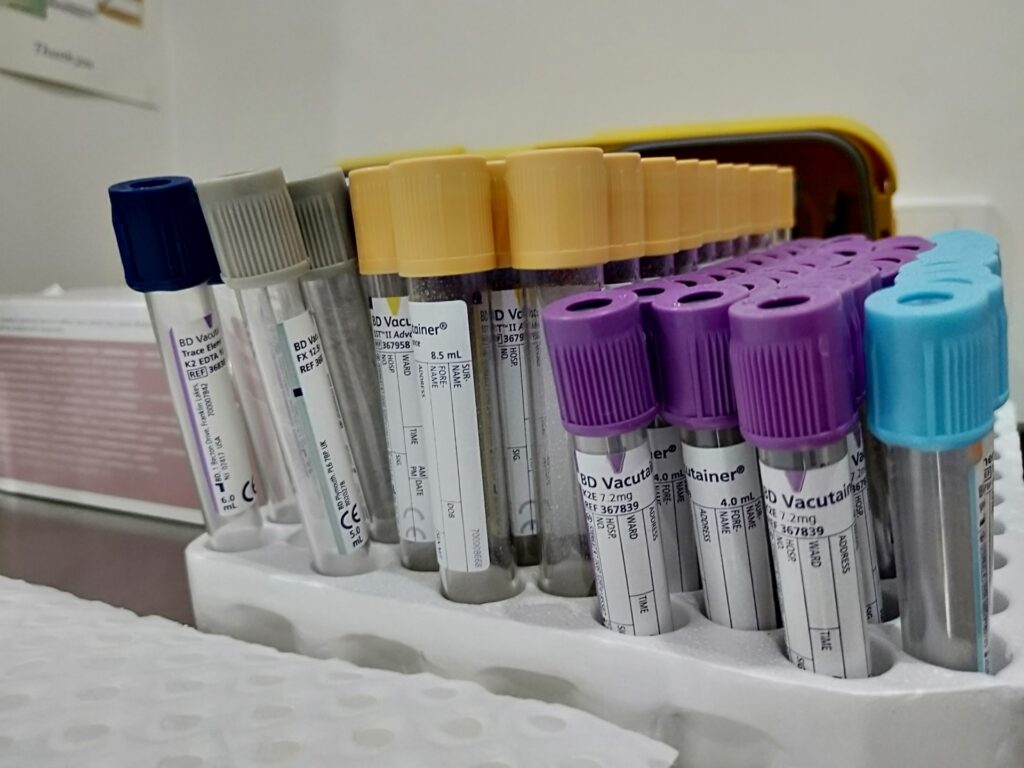
Historically, crime scene investigation was dependent on the visible evidence and simple methods of collection. Nevertheless, current forensic developments by the experts of the RCMP also involve more sophisticated detection techniques, better light technologies and more sophisticated guidelines in dealing with trace evidence. The advances enable the forensic teams to obtain latent fingerprints and microscopic materials despite the difficult conditions, such as the use of contaminated or disturbed crime scenes.
Moreover, the RCMP has been proactively developing newer investigative technologies, such as genetic genealogy, biometrics, and artificial intelligence tools, into the forensic workflows. These technologies improve accuracy in the identification of a suspect and the deciphering of evidence. It has been reported that these tools are a subset of larger modernization initiatives to enhance forensic capabilities and enhance the results of an investigation.
One more significant point of this development is the focus on the standardized evidence handling procedures. The forensic laboratory system of the RCMP also offers elaborate guidelines to the correct collection, preservation and submission of evidence so that the results of forensic investigations can be dependable and acceptable in court.
In the international view of this innovation, the trend is that of transitioning into technology-based forensic science, wherein conventional practices are increasingly being refined with scientific accuracy and computer-aided technology. It also shows the combination of research and field experience in developing more effective investigative methods.
This is especially significant because crime scenes are getting more and more complex, including digital, biological and trace evidence. The works of RCMP forensic specialists not only enable Canada to be viewed as a leader in forensic science but also impact the international best practices in crime scene investigation.