

Now Reading: What a Truck Accident Lawyer Looks for When Investigating a Crash
-
01
What a Truck Accident Lawyer Looks for When Investigating a Crash
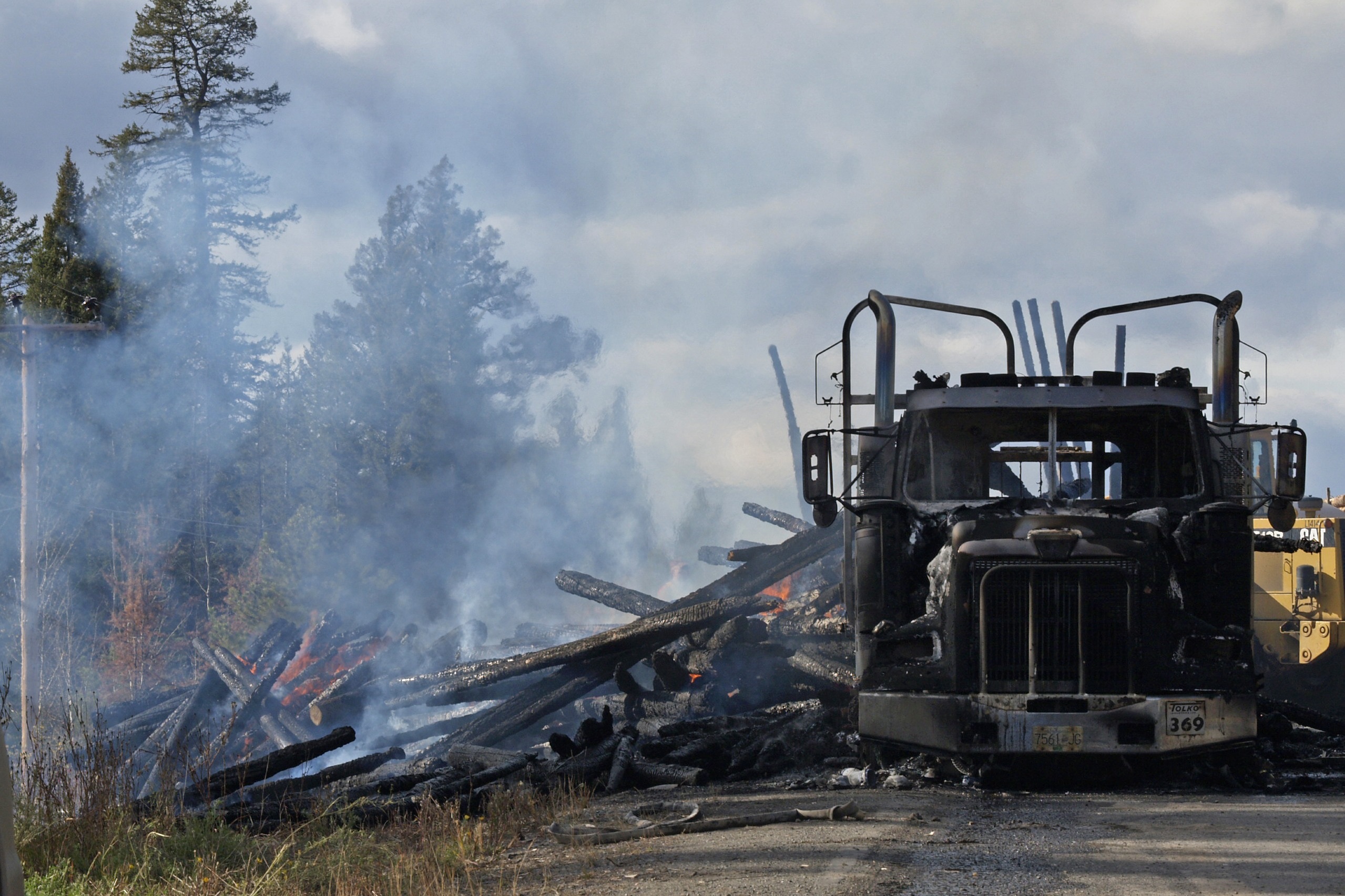

On a clear Tuesday morning, a significant accident unfolded on the busy interstate highway, drawing immediate attention from local authorities and emergency services. The scene was marked by the aftermath of a collision involving a large freight truck and a passenger vehicle. Debris was strewn across multiple lanes, and the unmistakable scent of burnt rubber lingered in the air. Traffic was brought to a standstill as first responders worked diligently to assess the situation and provide aid to those involved. The highway, typically bustling with commuters, transformed into a chaotic tableau of flashing lights and sirens.
As investigators arrived, they began to piece together the events leading up to the crash. The truck, which had been transporting goods across state lines, appeared to have veered off its lane before colliding with the smaller vehicle. Witnesses reported seeing the truck swerving moments before impact, raising questions about the driver’s control and attentiveness. The scene was not only a physical representation of the collision but also a stark reminder of the potential dangers present on the roadways. As the investigation commenced, the focus shifted to understanding how such an incident could occur in broad daylight on a well-traveled route.
Eyewitness Testimonies
Eyewitness accounts play a crucial role in reconstructing the events leading up to an accident. Several individuals who were present at the scene provided varying perspectives on what they observed. One witness, a commuter who had been driving behind the truck, described seeing it drift erratically between lanes just moments before the crash. “It was like watching a slow-motion disaster unfold,” he recounted, noting that he had instinctively slowed down in anticipation of something going wrong. His observations suggested that the truck driver may have been distracted or experiencing some form of impairment.
Another eyewitness, a nearby construction worker, reported hearing a loud bang followed by the screeching of tires. He rushed to assist and noted that the driver of the passenger vehicle appeared disoriented but conscious. His account highlighted the immediate chaos that ensued after the collision, with bystanders rushing to help while others called for emergency services. These testimonies, while subjective, provide valuable insights into the moments leading up to the accident and contribute to a broader understanding of how such incidents can unfold.
Police Reports and Citations
Following the accident, local law enforcement conducted a thorough investigation and compiled detailed reports outlining their findings. The police report indicated that both vehicles were traveling at high speeds when the truck accident occurred, with the truck being cited for unsafe lane changes. This citation raised questions about whether the driver had adhered to traffic regulations and whether any negligence contributed to the crash. The report also noted that weather conditions were clear at the time, eliminating environmental factors as a potential cause. Securing proper legal representation is important to help navigate the claims process, interpret the report, and ensure the injured party’s rights are fully protected.
In addition to traffic citations, the police report included statements from both drivers involved in the accident. The truck driver claimed that he had experienced a mechanical failure just before losing control, while the driver of the passenger vehicle insisted that he had been following all traffic laws. These conflicting narratives underscored the complexity of determining fault in such incidents and highlighted the importance of gathering comprehensive evidence to establish a clear picture of what transpired.
Truck Driver’s History and Record
The history of the truck driver involved in the accident is critical in assessing potential risk factors. A review of his driving record revealed several previous citations for speeding and improper lane changes over the past few years. While these infractions alone do not indicate reckless behavior, they raise concerns about his overall driving habits and adherence to safety regulations. Additionally, it was discovered that he had undergone training for defensive driving but had not participated in any refresher courses since his initial certification.
Further investigation into his employment history revealed that he had been with his current trucking company for less than a year. During this time, he had received mixed performance reviews from supervisors, with some noting issues related to punctuality and attention to detail. This background information paints a picture of a driver who may have been under pressure to meet delivery deadlines, potentially influencing his decision-making on the road.
Maintenance and Inspection Records
The maintenance and inspection records of the truck are essential components in understanding whether mechanical failure played a role in the accident. A review of these records indicated that while routine inspections were conducted regularly, there were lapses in addressing certain mechanical issues flagged during previous checks. Notably, reports from two months prior indicated concerns about brake performance that had not been adequately resolved before the accident occurred.
The trucking company’s maintenance protocols came under scrutiny as well. While they adhered to federal regulations regarding vehicle inspections, there appeared to be inconsistencies in how issues were prioritized and addressed. This raises questions about whether proper maintenance practices were followed consistently and whether more rigorous oversight could have prevented this incident from occurring.
Black Box Data
The black box data from the truck provided crucial insights into its performance leading up to the accident. This data recorder captured information such as speed, braking patterns, and engine performance in real-time. Analysis revealed that just before the collision, the truck was traveling at approximately 70 miles per hour—significantly above the posted speed limit for that stretch of highway. Consulting a Viles & Beckman truck accident lawyer in Cape Coral can help ensure that this evidence is properly evaluated and used to support your case. Additionally, the data indicated that there was minimal braking action taken prior to impact, suggesting that the driver may not have reacted promptly to avoid the collision.
The black box data also highlighted fluctuations in engine performance that could indicate potential mechanical issues. While this information does not definitively assign blame, it does provide a clearer picture of how speed and vehicle response contributed to the severity of the crash. Investigators are now tasked with determining how these factors align with eyewitness accounts and police reports to establish a comprehensive understanding of what transpired.
Company Policies and Procedures
The trucking company’s policies and procedures are integral to evaluating their role in this incident. A review of their operational guidelines revealed a strong emphasis on safety training and compliance with federal regulations; however, there were gaps in enforcement and accountability measures for drivers who exhibited risky behavior. While drivers were required to undergo regular safety training sessions, there was little follow-up on their application of these principles in real-world scenarios.
Moreover, internal policies regarding vehicle maintenance appeared to lack rigor in execution. Although inspections were mandated, there seemed to be insufficient oversight in ensuring that identified issues were addressed promptly and effectively. This raises concerns about whether company culture prioritized safety or if operational efficiency took precedence over thorough maintenance practices.
Potential Contributing Factors
In analyzing this accident, several potential contributing factors emerge beyond those already discussed. One significant aspect is driver fatigue, which is often an overlooked element in trucking accidents. Long hours on the road can lead to diminished alertness and slower reaction times, increasing the likelihood of accidents. Investigators are examining whether fatigue played a role in this case, particularly given reports of tight delivery schedules that may have pressured drivers to push their limits.
Another factor worth considering is external distractions that may have affected both drivers involved in the accident. In an age where mobile devices are ubiquitous, it is essential to explore whether either driver was engaged with their phone or other distractions at the time of the crash. This aspect will require further investigation into phone records and any available surveillance footage from nearby establishments.
In conclusion, this accident serves as a complex case study involving multiple layers of investigation—from eyewitness accounts to mechanical records and company policies. Each element contributes to understanding how such incidents occur and highlights areas where improvements can be made within the trucking industry to enhance safety on our roadways. As investigations continue, it is crucial for all stakeholders involved—drivers, companies, regulators—to reflect on these findings and work towards preventing similar tragedies in the future.
About the author: Crystal A. Davis

How does one combine a passion for journalism with a strong sense of justice? For Crystal, the choice was simple: legal journalism. Born and raised in a family of attorneys but wanting to approach the law from an investigative angle, Crystal decided that people would not hear her voice in the court, but online, in magazines, journals, and other platforms. When she is not studying active lawsuits closely to report on them, she writes public-friendly articles detangling the complicated threads representing the American legal system.