
Now Reading: Drug-Facilitated Sexual Assault: Date Rape Drugs , A Comprehensive Forensic and Toxicological Examination.
-
01
Drug-Facilitated Sexual Assault: Date Rape Drugs , A Comprehensive Forensic and Toxicological Examination.

Drug-Facilitated Sexual Assault: Date Rape Drugs , A Comprehensive Forensic and Toxicological Examination.

Introduction
Drug-facilitated sexual assault refers to the use of incapacitating drugs on a victim without their knowledge, usually by spiking drinks. Though alcohol is the most common intoxicant in sexual assaults, the literature on the subject reveals that a number of central nervous system depressants are more often than not involved. Date rape drugs are characterized by their capacity to impair judgment, sedate and induce anterograde amnesia, and therefore, this limits the capacity of the victim to resist or recollect the attack. The forensic issues posed by such cases include challenges in reporting, hasty drug removal, and a lack of toxicological evidence. The growing international recognition of DFSA has led to technological improvement in the field of forensic toxicology, but there are still considerable challenges with investigative issues.
Date Rape Drugs that are usually implicated.
Benzodiazepines are considered to be one of the most common agents reported in the cases of DFSA. These medications improve the activity of gamma-aminobutyric acid (GABA) in the central nervous system and result in sedation, muscle relaxation, and memory loss. Flunitrazepam, a well-known amnestic with powerful potency, was famous because of its abuse in sexual assault. Even minor doses may be very damaging to the mental power, especially when taken along with alcohol. The other benzodiazepines, including diazepam, alprazolam, lorazepam, and clonazepam, have also been reported in the course of forensic studies. Another significant interpretative issue is the problem of differentiating covert administration and therapeutic consumption.
Another significant group of drugs implicated with DFSA is gamma-hydroxybutyric acid (GHB), along with gamma-butyrolactone (GBL), its precursor. GHB is a central nervous system depressant which may cause euphoria, disinhibition, drowsiness, respiratory depression and unconsciousness depending on the dosage. The endogenous nature of GHB in the human body is one of the greatest forensic troubles, whose presence makes it hard to tell the difference between natural and exogenous ingestion. Also, the GHB is rapidly metabolized such that it may be undetected in the blood within hours, and this significantly restricts toxicological confirmation in the event of late reporting.
Another drug of concern is ketamine, which is an associative anaesthetic. Ketamine has an N-methyl-D-aspartate (NMDA) receptor antagonist effect, and results in dissociation, hallucinations, loss of motor coordination, and perception. The victims might be in a semi-conscious state and fail to give effective responses, and this presents complex testimonial and forensic challenges. Even though the metabolites of ketamine can be more persistent compared to GHB, it is important to take biological samples in a timely manner.
A majority of drug-facilitated assaults occur with the central involvement of alcohol. Its synergistic action with sedative drugs causes central nervous system depression to increase drastically. Alcohol enhances disinhibition and impaired memory, which amplifies the incapacitating action of other substances. Therefore, polydrug ingestion that includes alcohol is commonly witnessed in the forensic toxicology reports.
Pharmacological and Toxicokinetic Bearing.
Date rape drugs pharmacodynamics mostly include potentiation of the neurotransmission of inhibition or suppression of excitatory neural pathways. The majority of the involved agents increase the GABAergic or reduce the glutamatergic activities, leading to sedation and cognitive dysfunction. Of particular importance are the amnestic effects, which have a direct effect on memory encoding mechanisms and result in anterograde amnesia.
These drugs are normally absorbed very quickly after being ingested orally, and the distribution is spread all over the body as a result of their lipid solubility. The hepatic metabolism is rapid, and the half-lives of elimination tend to be short. An example is GHB, which can be eliminated from the blood within six to eight hours after it is taken. The benzodiazepines can be longer-lasting in the urine, although the amount decreases dramatically as time goes by. A hair test will give a wider period of detection, and therefore, you will be able to investigate weeks or months later after the incident. Nonetheless, hair testing involves a specific type of laboratory skills and interpretation to prevent contamination artefacts.
The complication of toxicological confirmation in the case of DFSA is specifically due to the short detection windows and differences in metabolism between people.
Forensic Toxicology and Analysis.
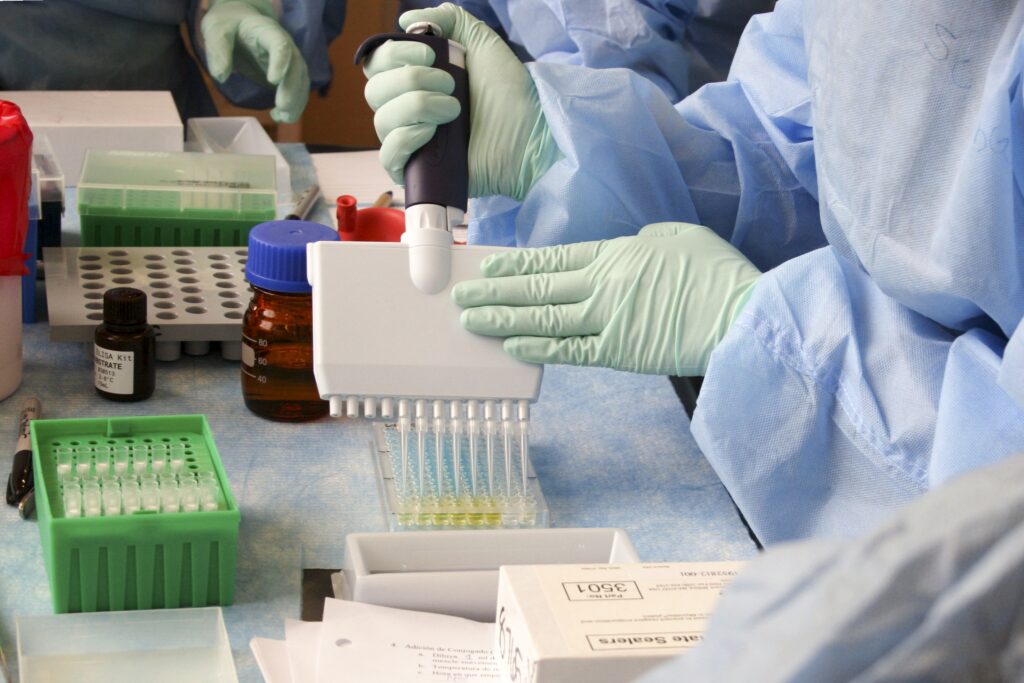
A correct forensic investigation is based on the timely collection of biological samples. Blood samples prove to be most valuable when taken within hours of potential ingestion, but urine samples can be used to widen the search time of some substances. Hair analysis is also effective retrospective evidence, especially in cases where the victims report after a significant period.
Neo-techniques of analysis have contributed immensely to the abilities of detection. There has been a historical use of gas chromatography-mass spectrometry (GC-MS) as a gold standard to identify most drug abuse drugs. Nevertheless, liquid chromatography-tandem mass spectrometry (LC-MS/MS) has become highly sensitive and can screen multiple analytes at the same time, such as low-dose benzodiazepines and new psychoactive drugs.
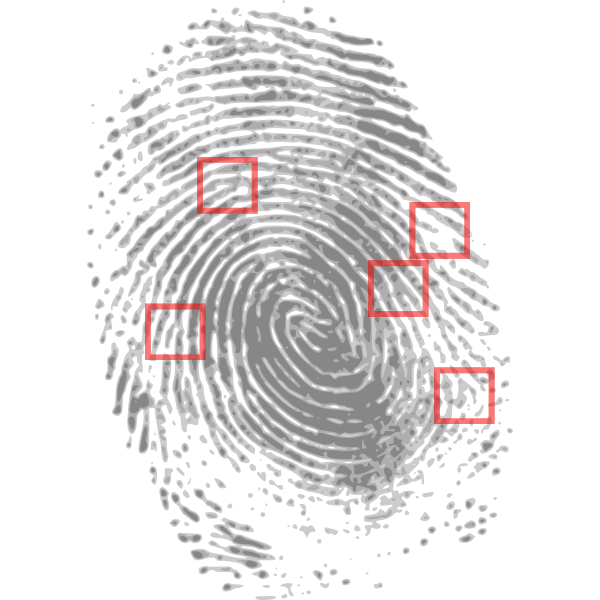
New technologies have also increased the forensic opportunities. Mass spectrometry, proton transfer reaction. This method allows the almost instant detection of volatile compounds in alcoholic beverages. Rapid on-site screening of samples of drinks is being developed using electrochemical sensors and luminescent probes, which have potential preventive uses for the public. Imaging of mass spectrometry has provided the potential of identifying drugs in the latent fingermarks together with biometric identification.
In spite of such technological innovations, forensic labs are required to follow the approved procedures, strict chains of custody and uniform reporting policies to make them admissible in courts.
Interpretation and Evidentiary Problems.
Toxicological results need to be interpreted with care, taking into account therapeutic ranges, possible self-prescription, endogenous production (GHB), and drug-drug interactions. Not being able to detect drug levels does not automatically mean the absence of DFSA, particularly in cases of reporting delays. Moreover, there are possibilities of amnestic effects undermining the victim testimony, and increased dependence on scientific evidence.
The medico-legal situation requires careful and impartial reading. Forensic toxicologists should provide clear restriction messages to the law, such as detection limits and possible false negatives. In the case of DFSA, expert testimony usually becomes critical in court.
Future Research and Development Opportunities.
New open-access studies focus on the creation of portable detachable systems, electrochemical devices based on nanomaterials, and high-resolution mass spectrometry to be more sensitive. Segmental hair analysis can also be used to offer a chronological reconstruction of drug exposure, which adds to the strength of evidence. There is also rising knowledge on the importance of interdisciplinary cooperation among forensic scientists, clinicians, toxicologists, and law enforcement agencies in responding to the emergency.
They need to do further investigations on novel psychoactive substances because the perpetrator can change to less regulated substances to avoid detection.
Preventive and Public Health Perspectives.
From a social perspective, prevention is a very important aspect that is realized through awareness campaigns and educational programs. Evidence preservation can be enhanced by rapid-response clinical procedures regarding possible cases of DFSA. Preferred evidence kits on sexual assault, timely toxicology testing, and professional training of healthcare providers make the investigations more effective. The prevention measures need to be combined with scientific, legal and social strategies to tackle this multi-layered issue.
Conclusion
The use of date rape drugs poses a major forensic and medico-legal problem because of their strong pharmacological action, high rate of metabolism, and capacity to impair memory. Although improvement in the field of analytical toxicology has enhanced the capability of detecting sensitive levels, the success of an investigation is mainly dependent on the promptness of the reporting and collection of samples. Combining new technologies, intensive forensic guidelines, and interdisciplinary partnerships is necessary to enhance the provision of justice in drug-related sexual assault.