
Now Reading: What to Do If You Hit a Parked Car: A Practical Legal Guide for Drivers
-
01
What to Do If You Hit a Parked Car: A Practical Legal Guide for Drivers
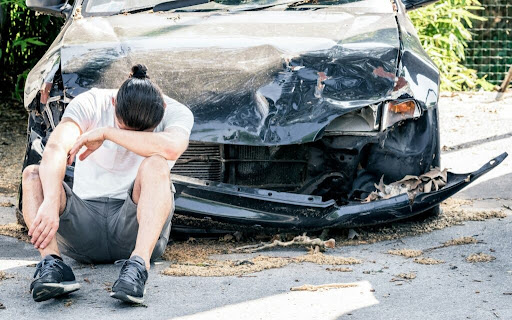

Hitting a parked car is one of those situations that can happen in seconds—tight parking lots, low visibility, distracted pedestrians, or a misjudged turn. The problem is that a “minor” bump can quickly become a major legal and financial headache if you handle it the wrong way. In many states, leaving the scene without taking reasonable steps to locate the owner and provide information can be treated as a hit-and-run—even if the damage seems small.
If you hit a parked car, the safest approach is to treat it like any other collision: secure the scene, document what happened, exchange information, and report when appropriate. Below is a straightforward, step-by-step guide to help you protect yourself legally and reduce risk with insurance claims.
1) Stop Immediately and Stay Calm
The first rule is simple: do not drive away. Even if you’re late, even if you’re embarrassed, even if the damage looks like “just a scratch.” Leaving the scene is what escalates a parking-lot accident into a potential criminal issue.
Take a breath, park safely, and assess the situation.
2) Check for Safety Issues and Any Injuries
Most parked-car incidents involve property damage only—but not always. A parked car may have a passenger inside, or you might have hit property near people (shopping carts, store entrances, sidewalks).
If anyone appears injured or there’s a safety hazard (blocked lane, fluid leak, debris), call 911. If there is no emergency, you may still need to contact local law enforcement depending on where the incident occurred and the extent of damage.
3) Document the Scene Before Anything Changes
Evidence protects you. Take photos and video right away, including:
- Damage to your car (wide and close-up angles)
- Damage to the parked vehicle
- The parking spot and surrounding area (lines, curb, signage)
- Any paint transfer, debris, or visible contact points
- Lighting and visibility conditions (nighttime, rain, glare)
If there are witnesses, politely ask for their name and contact information. If a business nearby has security cameras, note the location and consider requesting the footage be preserved.
4) Try to Locate the Owner of the Parked Car
Make a reasonable effort to find the vehicle owner, especially in places like:
- Grocery stores / shopping centers (ask customer service or security)
- Apartment complexes (front desk or property manager)
- Office buildings (reception or building management)
Your goal is to exchange information directly if possible.
5) Leave a Note If You Cannot Find the Owner
If the owner can’t be located, you should leave a note in a visible place (typically under the windshield wiper). Include:
- Your name
- Phone number
- Insurance company and policy number (optional but helpful)
- A brief explanation of what happened
- Date, time, and location
Important: Take a photo of the note on the windshield. Notes can blow away or be removed, and having proof you left one can matter if someone later claims you “fled.”
6) Exchange Information the Right Way (If the Owner Is Present)
If you find the owner (or they arrive), keep the interaction calm and factual. Exchange:
- Driver name and contact info
- Insurance details
- License plate numbers
- Photos of both vehicles (with consent if possible)
Avoid arguing about fault at the scene. Parking-lot accidents can involve complex angles and disputes, and statements made in frustration can get repeated to insurers later.
7) Consider Filing a Police Report (Especially for Significant Damage)
Whether you must file a report depends on local rules, but it can be smart when:
- Damage is more than minor
- The owner is unavailable
- The other party disputes what happened
- You want an official record for insurance
A police report can strengthen credibility and reduce “he said / she said” conflicts later.
8) Notify Your Insurance Company Promptly and Carefully
Report the incident as soon as practical. Provide accurate facts and documentation. A few best practices:
- Stick to what you know—don’t guess speeds, distances, or angles
- Share photos and the location details
- If you left a note, tell the insurer and keep the photo
- If you filed a report, provide the report number
If the other driver later claims additional damage or injuries, early documentation is often what protects you.
9) Watch for Claims That Don’t Match the Evidence
Sometimes a minor parking-lot accident turns into a larger dispute—such as allegations of prior damage, inflated repair estimates, or injuries that don’t align with the impact. If anything feels off, do not ignore it.
If you are facing a serious injury claim, significant damages, or allegations that escalate beyond what happened, speaking with legal counsel can help you understand your rights and the best way to handle insurance communications. For guidance on accident claims and litigation strategy, you can review resources from a Las Vegas Car Accident Lawyer.
10) What Not to Do After Hitting a Parked Car
Avoid these common mistakes that create legal risk:
- Leaving the scene without trying to locate the owner
- Failing to leave a note (or leaving an incomplete one)
- Admitting fault aggressively or making emotional statements
- Waiting days to report it to your insurer
- Posting about the incident on social media
- Paying cash “off the books” without documentation (can backfire)
Conclusion
Hitting a parked car is inconvenient—but it doesn’t have to become a legal disaster. The best protection is simple: stay, document, notify, and cooperate. Those steps show responsibility, preserve evidence, and reduce the chance of disputes later.
If the situation escalates into a larger claim—especially involving injuries, major property damage, or accusations of leaving the scene—getting legal guidance early can help you protect your record and your financial future.