
Now Reading: When DNA is Not Enough: Identical Twin Killer Case Reveals the Weakness of Forensic Science.
-
01
When DNA is Not Enough: Identical Twin Killer Case Reveals the Weakness of Forensic Science.

When DNA is Not Enough: Identical Twin Killer Case Reveals the Weakness of Forensic Science.

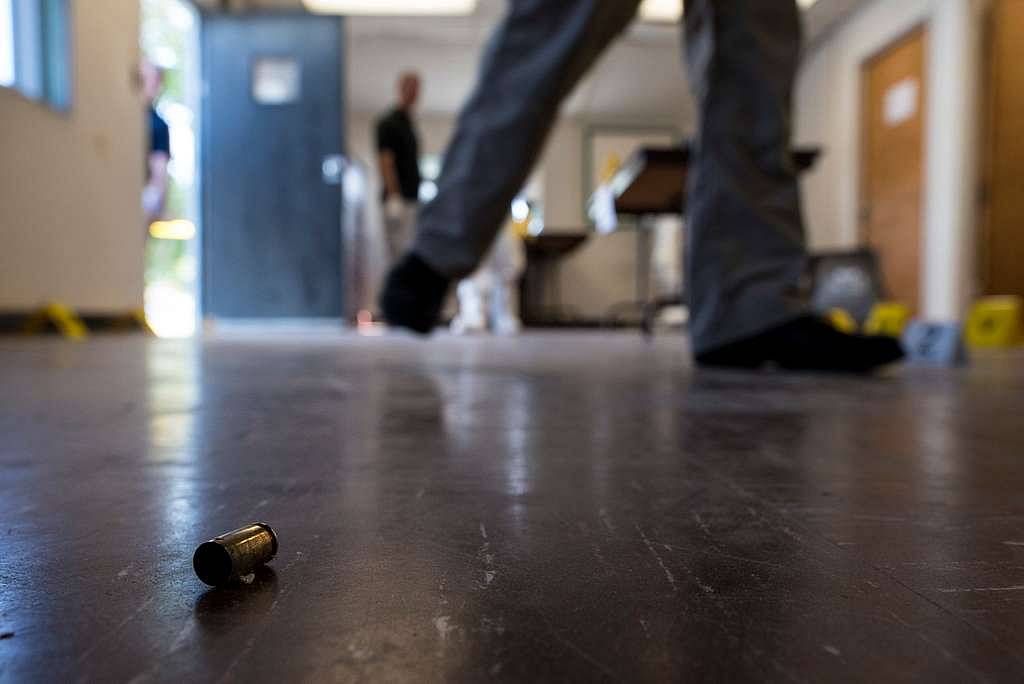
France, 9th February, 2026– One of the most unusual murder cases under prosecution in France, which has attracted international media attention, is a case involving murder that was a rare and legally controversial trial exposing the weaknesses of forensic DNA evidence. In this case, the 33-year-old identical twin brothers were accused of being connected to a fatal shooting, which occurred in Saint-Ouen in the Seine-Saint-Denis department in Paris in 2020. Two men were shot and died, and a third victim is in a critical condition after the attack. Even though scientific proof definitely implicated the two twins at the crime scene, prosecutors have failed to establish which of the two brothers shot the victim, creating an unprecedented dilemma for prosecutors.
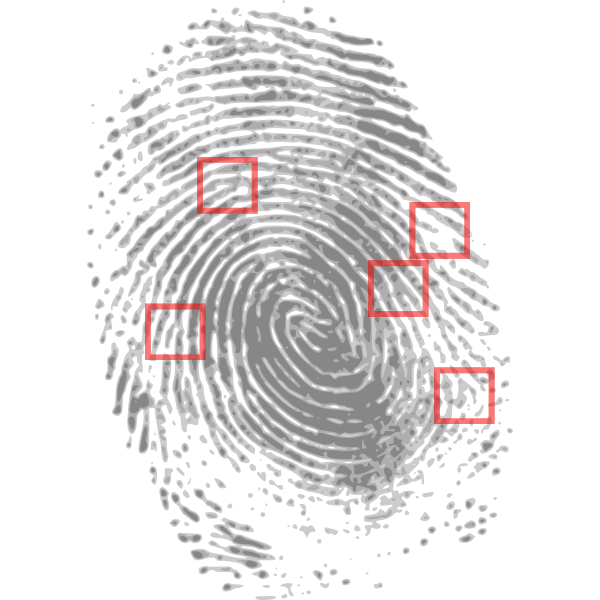
French investigators retrieved the physical evidence and firearms from the scene after the shooting. Forensic DNA testing proved that genetic material that belonged to the two brothers’ twins was found on the weapons. In normal conditions, these findings would be decisive. But since the suspects are identical (monozygotic) twins, they have the same DNA profile after testing them using conventional forensic tools on a short tandem repeat (STRs) basis. Consequently, the DNA evidence might prove culpability but not personal culpability.
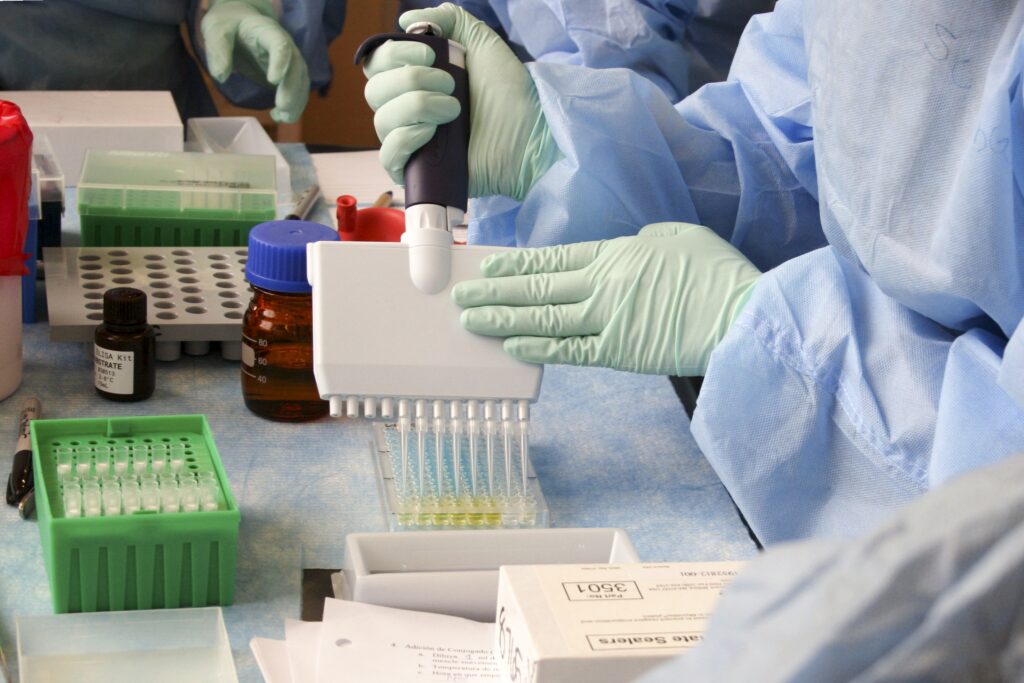
According to the explanations of forensic experts, this shortcoming is not a secret of the scientific community. Although, in theory, both epigenetic profiling and rare genetic mutation analysis can distinguish the identical twins, they are not yet standardised and are not commonly routine in forensic laboratories or the courts of law. This advanced testing was therefore not done in this instance.
Since DNA could not provide an answer to the main question, prosecutors turned their attention to other areas of forensic and investigative evidence. Surveillance camera records, cell phone location records, cell phone conversations, and vehicle movement analysis are now critical in helping to recreate the events of the twins prior to the shooting and after it. It is up to the judges to determine whether such a combination of circumstantial and digital forensic evidence can reach the legal standard necessary to be convicted.
The trial has served as a good reminder that forensic science, though it necessarily has its boundaries. According to professionals, the case raises the widespread assumption that DNA evidence can always be used to give clear answers. Rather, it points to the necessity of multi-disciplinary studies, a preventive approach to the interpretation of scientific evidence, and the openness in the way evidence is introduced in court. As the trial goes on, legal and forensic circles all over the world are keenly following the case because its result could have ramifications on the way similar cases using the same DNA profile would be pursued and prosecuted in the future.