

Now Reading: Holly DeNeve Explains the Behind-the-Scene Work that Shapes Outcomes for Vulnerable Children
-
01
Holly DeNeve Explains the Behind-the-Scene Work that Shapes Outcomes for Vulnerable Children
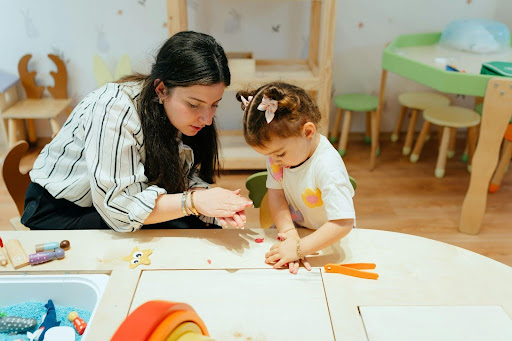
Holly DeNeve Explains the Behind-the-Scene Work that Shapes Outcomes for Vulnerable Children

As Holly DeNeve notes, supporting vulnerable children requires a different kind of work—one that unfolds in the background, often without fanfare or recognition. The professionals dedicated to this effort—social workers, educators, mentors, and healthcare providers—are often the most consistent presence in a child’s world. The importance of trust, stability, and coordinated care cannot be overstated in shaping a child’s path forward. Though progress is often difficult to measure in real time, the cumulative impact of these actions has the power to change lives.
Why Consistent Support Matters
Children who face instability at home, in school, or in their communities often carry invisible burdens. These can include the effects of trauma, poverty, or frequent changes in caregivers. In such circumstances, support is not just helpful—it’s essential. When a child knows that someone will show up—whether it’s a mentor, a teacher, or a social worker—they start to feel safe enough to learn, grow, and form healthy relationships.
Over time, these steady connections can influence school attendance, emotional regulation, and even long-term resilience. What seems like a small gesture in the moment may become the foundation for a child’s sense of self-worth. These relationships also help children develop the confidence to take risks, try new things, and imagine a future beyond their current circumstances.
The Role of Organizations and Systems
Schools, nonprofits, health care providers, and child welfare agencies often collaborate behind the scenes to support children’s needs. This kind of collaboration means a child might get counseling through a school referral, food assistance from a local nonprofit, and medical care coordinated by a case manager—all without the public ever noticing the web of support at work.
When these systems communicate and coordinate effectively, children are less likely to fall through the cracks. A teacher might flag concerns that prompt a home visit, or a shelter program might alert a health worker to a child in distress. Each connection made, each service delivered, reinforces the safety net that allows children to feel seen and supported.
Challenges Faced by Those Doing the Work
The people supporting children often face overwhelming demands. High caseloads, long hours, and emotional fatigue are common. Many social workers and frontline staff juggle dozens of children at once, each with complex and urgent needs. Despite their dedication, burnout can creep in, especially when resources are stretched thin.
In rural areas or communities, the gaps are even wider. One person may be responsible for an entire county’s worth of cases, driving hours just to make a single home visit. When staffing shortages occur, the burden doesn’t disappear—it shifts, often falling on already exhausted team members. These pressures can delay services and compromise the quality of care, directly impacting the children who rely on them.
Tracking Progress and Recognizing Impact
Progress in this work is often subtle. A child who begins attending school every day after months of absences may not make headlines, but that change can signal a major shift in their life. Tiny signs—like making eye contact, forming friendships, or speaking up in class—can reflect internal growth. These are the moments that mark the beginning of long-term healing.
Outcomes are typically measured across months or years, not days. Workers may never see the long-term results of their efforts, yet those victories accumulate. A teenager graduating high school after years in the foster system, a child learning to self-regulate after trauma—these are milestones that tell the real story of impact, even if they unfold slowly.
Ways to Strengthen and Support This Work
Sustaining this kind of work requires more than good intentions. Ongoing training, supportive leadership, and thoughtful policy all play a role in keeping teams motivated and equipped. When staff feel valued and prepared, they’re more likely to stay engaged through the emotional highs and lows of the job. Structured peer support and manageable caseloads can also help maintain morale and prevent burnout.
Community support can also make a difference. Whether it’s volunteering time, donating supplies, or advocating for better funding, people outside the system have a role to play. Change doesn’t always happen in sweeping gestures; often, it’s the collective effect of many small, consistent actions that helps these efforts thrive.