
Now Reading: PFAS, AFFF, and How Courts Are Handling Firefighter Cancer Lawsuits
-
01
PFAS, AFFF, and How Courts Are Handling Firefighter Cancer Lawsuits
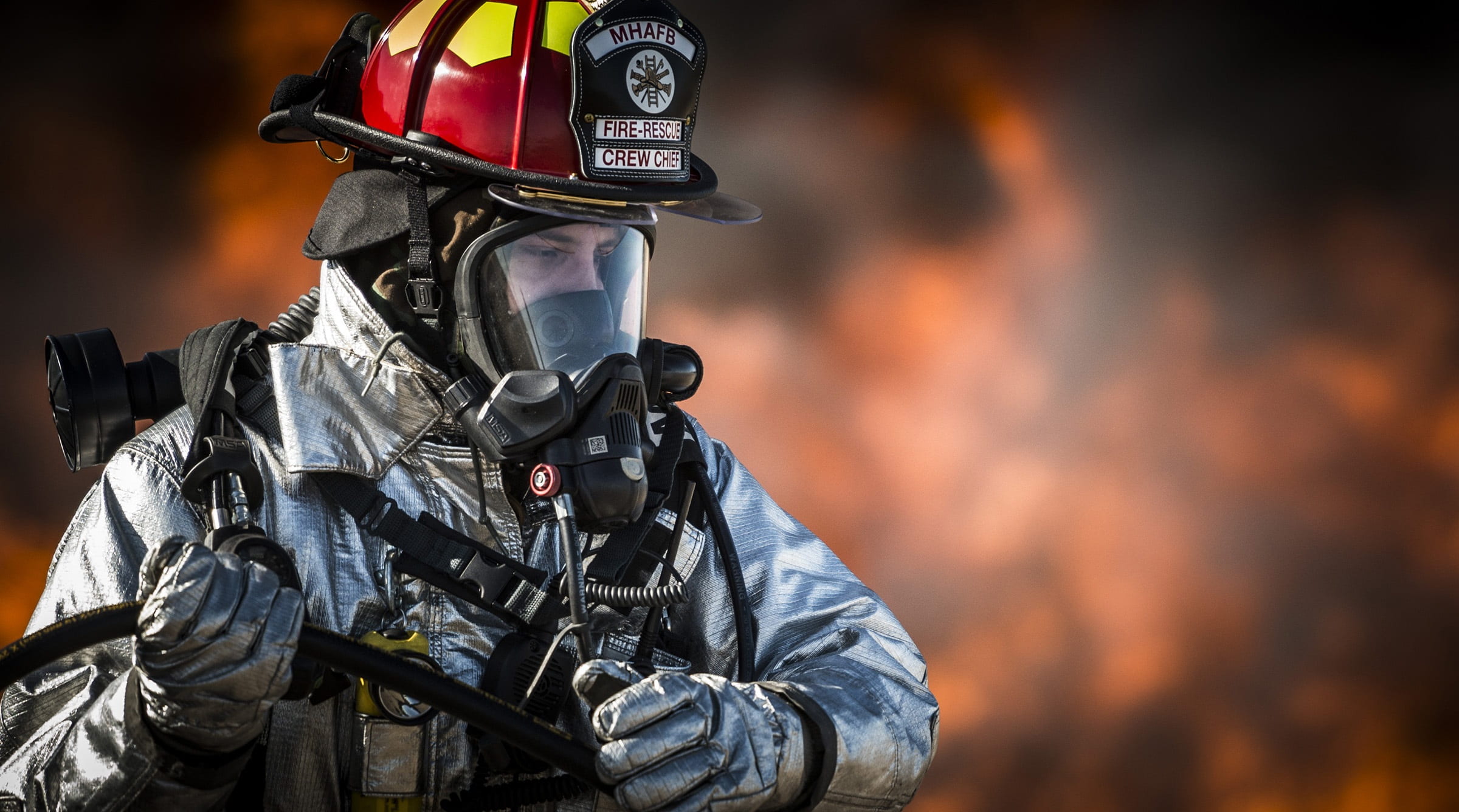

Aqueous film-forming foam (AFFF) earned its place in fire response because it works fast on fuel-based fires. You see it most around airports, military installations, refineries, and industrial sites where flammable liquids are part of the landscape. For years, many AFFF formulas relied on PFAS, a broad family of chemicals valued for heat resistance and for how well they spread across burning liquid to suppress vapors.
The concern is that some PFAS can persist in the environment and build up over time. As more firefighters and other exposed workers report cancer diagnoses, lawsuits have expanded from isolated claims into coordinated litigation. If you are weighing whether exposure could matter legally, it may help to speak with an AFFF cancer legal team early.
This article breaks down why these cases are often handled as mass torts and what courts tend to focus on when evaluating liability, scientific proof, and procedural hurdles.
What Are PFAS and Why Are They Used in Firefighting Foams?
PFAS stands for per- and polyfluoroalkyl substances, an umbrella term that covers thousands of related compounds used across many industries. In AFFF, PFAS helped create a film that quickly blankets fuel, suppresses vapor, and reduces the risk of re-ignition. That performance is a big reason the foam became common in high-risk settings.
Exposure concerns are not limited to major emergencies. Training exercises, routine deployments, residue on gear, and runoff at training grounds can add up. In some communities, the bigger issue has been contamination near places where AFFF was used heavily, especially airports and military bases.
Scientific Evidence Linking AFFF Exposure to Cancer
Toxic exposure lawsuits usually rise or fall on causation. Plaintiffs generally need to show that the substance can cause the type of harm alleged and that it likely contributed to the individual’s illness given their particular exposure history.
In AFFF cases, the scientific debate often centers on whether PFAS exposure is associated with increased risk of certain cancers and on how to measure exposure intensity and duration. Many claims reference cancers such as kidney and testicular cancer, along with other conditions discussed in the broader PFAS research. Courts typically do not treat this as a simple checklist. They examine which PFAS compounds are at issue, the route of exposure, and whether the studies cited actually support the expert’s conclusions.
Judges also act as gatekeepers for expert testimony. Instead of deciding “who is right” scientifically, they decide whether an expert’s methods are reliable enough for a jury to hear. That means scrutiny of the expert’s approach, the underlying research, and whether the opinion fits the plaintiff’s facts.
For firefighters, the factual record matters because exposure is rarely identical from person to person. Assignments vary. Departments used different foams at different times. Protective practices changed. A solid timeline supported by work records, training history, incident details, and medical documentation can make the case clearer and harder to dismiss as speculation.
The Rise of Mass Tort Litigation in Firefighter Cancer Claims
Mass tort litigation sits between a class action and a typical one-plaintiff lawsuit. Each claimant still has an individual case and must prove individual injury and damages. At the same time, courts coordinate shared issues like discovery, production of corporate documents, and many expert disputes.
AFFF claims have been funneled into coordinated proceedings because so many cases involve overlapping questions. Plaintiffs often target the same manufacturers, rely on related scientific evidence, and seek many of the same internal documents. Consolidation can reduce repetition and bring consistency to early rulings that influence later outcomes.
For firefighters, this structure can be a double-edged sword. It can speed access to shared discovery and streamline certain steps. It can also mean that major rulings, especially on expert admissibility, shape the path for many cases at once.
How Courts Are Evaluating Liability in AFFF Cancer Lawsuits
Most firefighter AFFF claims lean on familiar product liability and negligence theories, including:
- Failure to Warn: Allegations that manufacturers did not provide adequate warnings about health risks or safe handling.
- Design Defect: Claims that the product was unreasonably dangerous as formulated, especially if safer alternatives were feasible.
- Negligence and Corporate Knowledge: Arguments that companies knew, or should have known, about foreseeable risks and failed to act responsibly.
Courts tend to focus on evidence that supports these theories, particularly internal communications, testing history, and regulatory interactions. Warning issues often receive special attention because they address what firefighters and departments were told about handling, protective measures, and contamination risks.
Expert testimony remains a central battleground. When judges limit or exclude an expert opinion, the case can narrow dramatically. When expert opinions survive early challenges, defendants often face greater pressure as the case moves toward settlement discussions or trial preparation.
Procedural Challenges Facing Firefighter Plaintiffs
Procedure can decide a case’s fate before the merits ever get a full airing. Statutes of limitation are a frequent fight because many cancers develop years after exposure. Some jurisdictions apply a discovery rule, but the details differ, and defendants often argue the clock started earlier than the plaintiff claims.
Exposure proof can also be difficult in practical terms. Firefighters may have worked across departments, trained at multiple sites, or used several foam products over time. Reconstructing that history can require employment records, training documentation, purchasing information, and witness accounts. Gaps in the record give defendants room to argue that uncertainty exists.
Jurisdiction and choice-of-law issues can add more complexity, especially when exposure occurred in one state and diagnosis or filing happened elsewhere. Those differences can affect available claims, defenses, and damages.
Conclusion
AFFF and PFAS litigation shows how modern tort law works when public health concerns collide with technical science and product liability rules. Courts are weighing exposure histories, testing expert reliability, and examining what manufacturers disclosed about risks.
As these cases continue to develop, outcomes will often hinge on the same practical points: strong documentation, credible scientific support, and how judges handle recurring disputes over causation and warnings.