

Now Reading: Forensic Serology
-
01
Forensic Serology
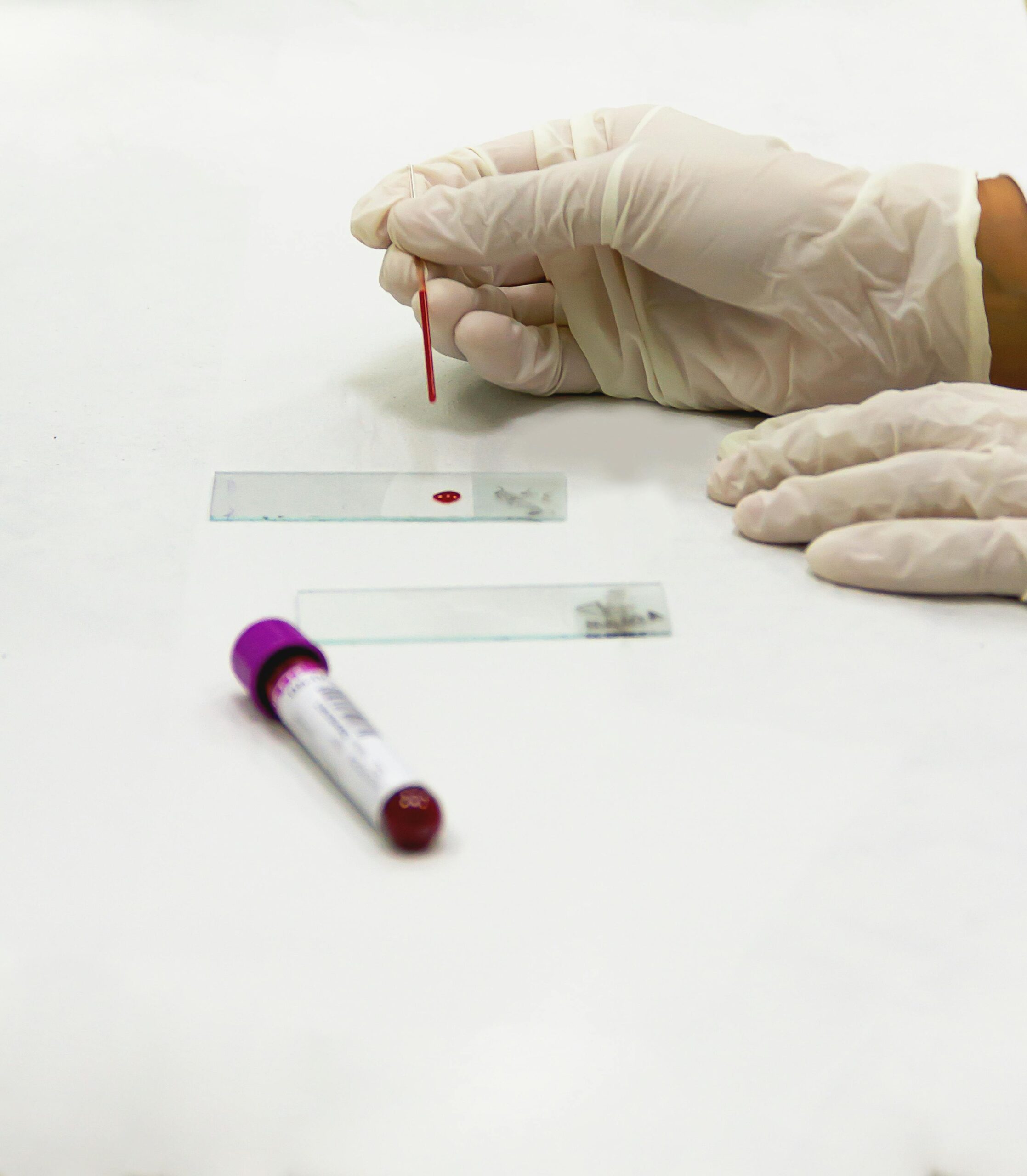

Forensic serology, which is one of the main areas of forensic science, deals with the identification and testing of biological fluids- blood, semen, saliva, sweat, and urine. These fluids can be found at crime scenes and provide forensic experts, investigators, and law enforcement with significant information about what occurred and who is involved in the incident. In other words, forensic serology provides investigators with information related to potential biological fluid presence prior to DNA testing.
Initially, forensic serologists primarily performed blood typing tests and determined the origin of the blood, such as whether it was of human or animal origin, using tests such as ABO grouping or the precipitin test. The identification of blood type was the first step in forensic testing, prior to the introduction of DNA profiling tests, because forensic serologists were able to link suspects or victims to a crime scene or exclusion from the scene by blood type. In more recent years, advancements in laboratory and technological methods have decreased the time, cost, and sensitivity of serological tests. Forensic serology is still an important aspect of forensic science today, as serology tests are often conducted in many cases, which can easily identify the presence of biological fluids before incurring costs for more complex testing, such as DNA.
In present-day forensic serology, the field utilises presumptive and confirmatory tests. Presumptive testing is typically fast and serves as a screening test to indicate the potential presence of a specific bodily fluid. An example of a presumptive test may be the Kastle-Meyer test, which detects blood based on a reaction that turns pink when haemoglobin is present, or the acid phosphatase test, which indicates semen stains.
Confirmatory tests provide definitive evidence as to the exact type of bodily fluid being tested through either immunochromatographic strips or enzyme-linked immunosorbent assays (ELISA). Techniques using thread-spray mass spectrometry that allow for direct determination and differentiation of blood type from small sample sizes while preserving the original evidence.
Currently, forensic serologists are progressing into using advanced molecular techniques for testing beyond just identification. One area that is rapidly advancing is the use of RNA and microRNA markers for detecting the precise type of bodily fluid and, in some circumstances, simply estimating the age of the fluid stain. This is particularly important in circumstances when a protein-based test fails due to environmental degradation. Finally, mass spectrometry, proteomics and spectroscopy are advancing forensic specialists’ ability to identify chemical signatures of fluids, such as mixtures or older stains, with improved accuracy.
Forensic serology is another important aspect of crime scene reconstruction. For example, being able to tell whether blood is human or animal blood, or if it is menstrual blood versus peripheral blood, may change the interpretation of what happened at a crime scene. Serological testing can also determine whether fluids are from a living or deceased individual and whether fluids were deposited before or after an injury occurred.
Although there have been improvements in forensic serology, there are still challenges: some presumptive tests can result in false positives, where a non-blood substance becomes positive. The original biological sample may be compromised through environmental factors, such as heat, moisture, or chemicals, making identification more challenging. Additionally, being able to admit anything in court requires all tests to have been validated, and experts must provide careful interpretation to ensure no misinterpretation. As technology advances, the serologist will need to stay educated in both traditional methods and newer molecular biology techniques to have scientifically reliable and legally defensible conclusions.
Conclusion:
Ultimately, forensic serology still plays a critical role in forensic investigations. While DNA analysis has revolutionised this discipline, forensic serology is still the keystone of biological evidence analysis. Specifically, serology is often the first and most critical step for the investigation to detect what substances are present, and when applicable, it will help eliminate and focus further analysis on which samples to be tested through scientific testing. Furthermore, new technologies such as mass spectrometry and RNA-based testing are finding a place in forensic serology that will allow biological testing to move toward more rapid, reliable, and specific analysis of biological materials, allowing for observational “truths” to be revealed when examining even the smallest traces of evidence.